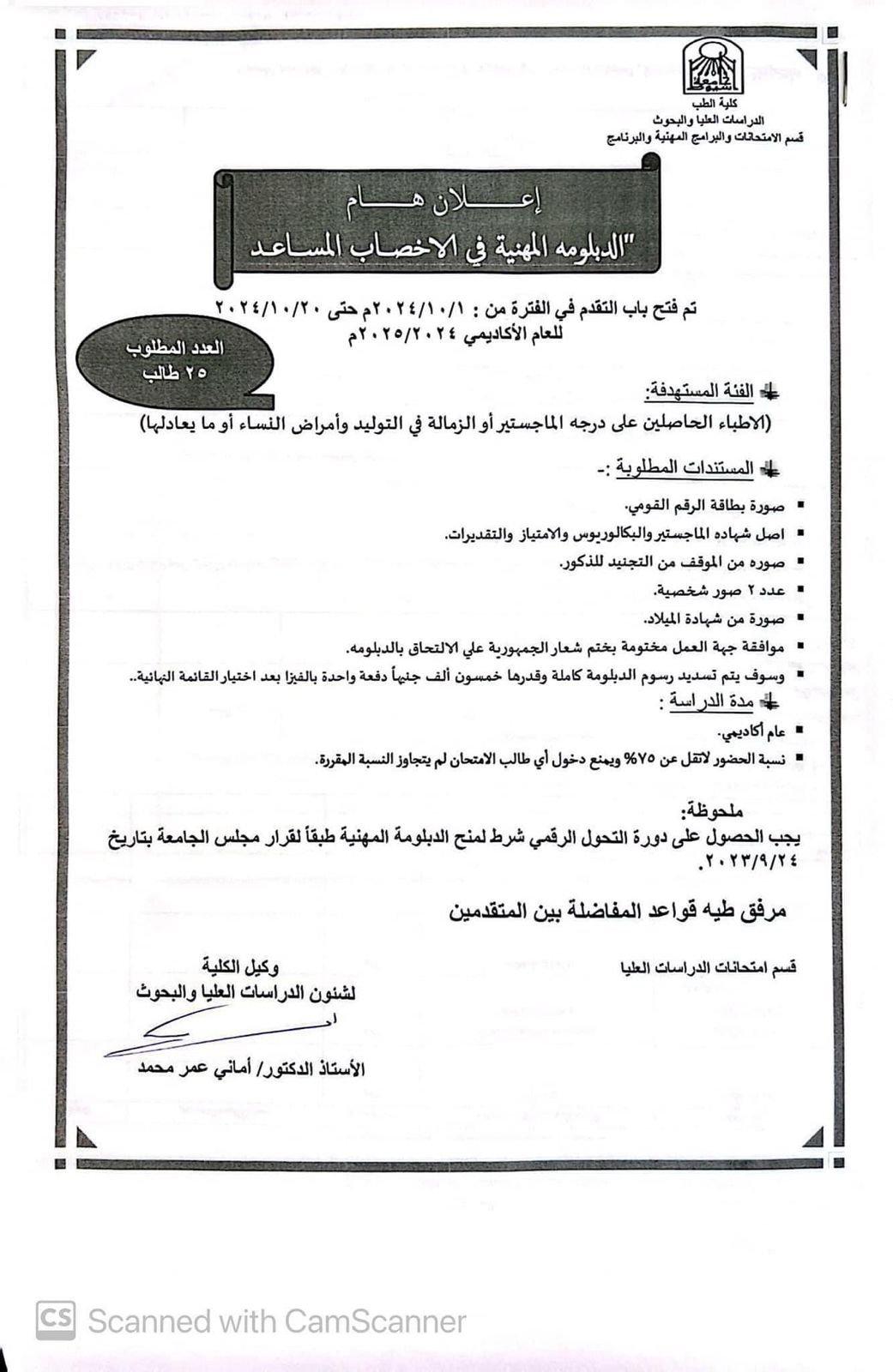
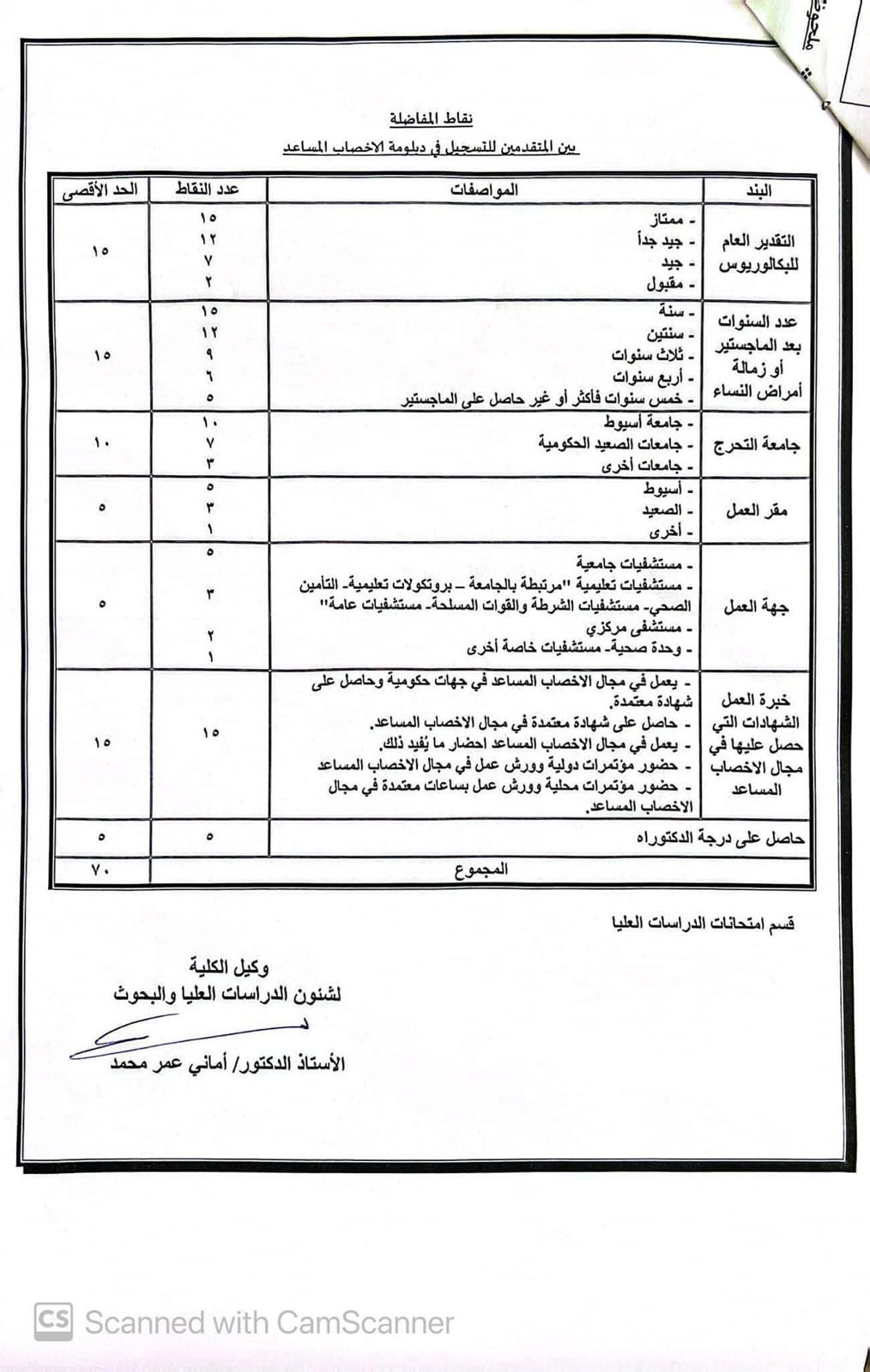
Important announcement: Extension of the application period for the Professional Diploma in Assisted Fertilization until 10/27/2024. Attached is a link to everything related to the diploma.

Clinical and epidemiological characterization of eosinophilic ascites in Egypt: a single center experience

Research Abstract

Eosinophilic ascites is non-common and challenging disease. This study aimed to describe the clinical presentation and treatment of eosinophilic ascites.

Methods

This was a prospective single-center study that included cases with eosinophilic ascites who were admitted to Tropical Medicine and Gastroenterology Department, Assiut University Hospital, Assiut, Egypt, during the period between May 2020 to May 2023. The clinical presentation, investigations, treatment, and follow-up data of the included patients were collected and analyzed.

Results

Seventeen cases of eosinophilic ascites were included in the study. The main presenting manifestations were abdominal pain (47.1%), and abdominal pain with distension (29.4%). Two patients presented with a picture of intestinal obstruction. Moderate ascites was found in 10 patients (58.8%) by ultrasound. Eosinophilia in the peripheral hemogram …

Research Authors
Mohammed Ahmed Medhat, Mohamed O Abdelmalek, Mohamed A Mekky, Sherief Abd-Elsalam, Mohamed Ahmed Yehya Abdel-Malek, Sayed Hassan Ahmed, Yusuf S Amry, Waleed Attia Hassan
Research Date
Research Journal
Egyptian Liver Journal
Research Member
Research Pages
24
Research Publisher
Springer Berlin Heidelberg
Research Vol
Volume 14 ,Issue 1
Research Website
https://scholar.google.com.eg/scholar?oi=bibs&cluster=15508443493592317614&btnI=1&hl=en
Research Year
2024

Added value of prenatal MRI over prenatal US in detection of etiology and type of ventriculomegaly

Research Authors
MM Nehal Kamala, D.M.Habibb, Ramy Mohamed Bakr Barakatc, Ahmed M AbdelHakama
Research Date
Research Journal
Journal of Chemical Health Risks
Research Member
Research Year
2018

Exploring the efficacy of various wheat bran extracts in promoting burn wound healing: A comparative analysis

Research Authors
Mai AM Ahmed, Marwa F Ali, Nesma M Mohamed, Soad AL Bayoumi, Asmaa M Zahran, Khalid IA Elsayh
Research Date
Research Department
Research Journal
Journal of Ethnopharmacology
Research Publisher
Elsevier
Research Vol
117174
Research Year
2024

EPIDEMIOLOGICAL ANALYSIS, PATHOLOGICAL EXAMINATION, AND INFLUENCING FACTORS ASSOCIATED WITH THE MONIZIA PARASITE IN CATTLE IN NEW VALLEY, UPPER EGYPT

Research Abstract

ABSTRACT
Moniezia infection, caused by cestodes of the genus Moniezia, poses a significant parasitic challenge within bovine populations globally, particularly impacting cattle health and productivity in Egypt. This study aimed to investigate the epidemiology of Moniezia infection in Egyptian cattle, integrating epidemiological data with microscopic and pathological analyses. A cohort of 700 cattle from the New Valley Governorate was assessed over one year, with 260 (37.2%) cases of helminth infections confirmed. Factors such as season, age, and study location significantly influenced infection rates, with the highest rates observed in winter, among calves under one year, and in the Al-Farfra and Baris regions. Gender did not significantly affect infection rates. Microscopic examination identified two species, Moniezia denticulata and Moniezia benedeni, with prevalence rates of 22.9 % and 14.3%, respectively. Histopathological analysis revealed severe inflammatory reactions in the intestinal tissues of infected cattle. These findings underscore the need for targeted control strategies, incorporating improved veterinary services and farmer education, to manage Moniezia infections effectively in Egypt.
Keywords: Moniezia denticulata, Moniezia benedeni, Intestinal cestodes, Morphological analysis, Histopathology, Risk factors.

Research Authors
Ahmed Kamal dyav
Research Date
Research Department
Research Journal
Assiut Veterinary Medical Journal
Research Member
Research Pages
312-322
Research Publisher
Assiut University
Research Rank
international
Research Vol
70
Research Website
www.aun.edu.eg
Research Year
2024

PREVALENCE AND DIVERSITY OF ZOOPLANKTON IN DIFFERENT FRESH WATER SUPPLIES IN ASSIUT GOVERNORATE

Research Abstract

ABSTRACT
The present study aimed to evaluate the diversity of zooplankton including rotifers and
cyclops in the various freshwater ecosystems in Assiut Governorate, Egypt. Rotifers can
affect the prevalence of different protozoan organisms in water, such as Cryptosporidium
species. Cyclops act as intermediate host of some helminthic parasites. Microscopic analysis
of the collected samples identified 3 rotifer genera and one copepod in different freshwater
supplies including poultry farms, animal farms, human tanks, and fish farms. In the present
study, 59 out of 136 (43.3%) water samples were contaminated with plankton. Poultry
freshwater showed the highest plankton diversity and prevalence with 29 samples (21.3%),
whereas the least prevalence was in human drinking water, 3 (2.2%). In the fishpond, Cyclops
were observed in 3 (2.2%) of total samples. The prevalence of rotifers and Cyclops is strongly
related to the summer season. Our results enrich the diversity of zooplankton in different
freshwater supplies as a bioindicator of water pollution.
Keywords: Zooplankton; water supplies; Assiut and Rotifers.

Research Authors
Ahmed Kamal dyab
Research Date
Research Department
Research Journal
Assiut Veterinary Medical Journal
Research Member
Research Pages
361-369
Research Publisher
Assiut University
Research Rank
International
Research Vol
70
Research Website
www.aun.edu.eg
Research Year
2024

Exploring the Other Side of The River: Early & Mid-Term Outcomes of Endovascular Pedal Arch Revascularization in Patients with Chronic Limb Threatening Ischemia.

Research Abstract

Objective: This study investigated the effect of patency of the pedal arch (PA) on wound healing rate and time, amputation-free survival (AFS), limb salvage, and limb-based patency (LBP) in chronic limb-threatening ischemia (CLTI) patients undergoing endovascular revascularization of infrainguinal arterial lesions.
Methods: This prospective study included all CLTI patients presented with wound, ischemia, and foot infection (WIFI) stages 2-4 (WIFI ischemia grades 2-3) who underwent endovascular revascularization of infrainguinal arterial disease between April 2019 and April 2021. Pedal angioplasty was attempted in all patients with significant steno-occlusive pedal artery disease. Patients were stratified according to Kawarada PA types. Successful pedal arch revascularization (PAR) was counted when at least one pedal vessel is patent. Wound healing rate and time, and Kaplan-Meier estimate of AFS and LBP at 2 years were evaluated and compared among the patient groups.
Results: A total of 120 patients were categorized according to PA type into type1 (n=34, 28.3%), type 2 (n=64, 53.3%), and type 3 (n=22, 18.3%). Pedal angioplasty was attempted in 97 patients and was technically successful in 75 (77.3%) patients. Successful PAR (with or without pedal angioplasty) was achieved in 98 patients (81.7%). During the follow-up, successful PAR resulted in better wound healing rate (86.7% vs 59.1%, P = 0.007), major amputation rates (5.1% vs 40.9%, P=<0.001), and AFS (92.9% vs. 72.7%; P=0.018) compared to unsuccessful PAR. There were no significant differences between the two groups in wound healing time (3.76 months ± 1.99 vs 3.64 ± 1.94, P=0.798, respectively) or LBP (80.6% vs 72.7%, P=0.594, respectively). GLASS stage (OR, 6.84; 95% CI: 1.30-36.03, P = 0.023) and unsuccessful PAR (OR, 21.64; 95% CI: 4.01-116.69, P = <0.001) were independently associated with failure of wound healing, while site of wound lesion (OR, 5.52; 95% CI: 1.15-26.48, P=0.033), GLASS stage (OR, 24.93; 95% CI: 2.84-218.69, P=0.004), and unsuccessful PAR (OR, 22.44; 95% CI: 3.53-142.67, P=0.001) were significant predictors of major amputation.
Conclusion
Successful PAR is important for improving clinical outcomes of endovascular revascularization of CLTI patients such as wound healing, amputation-free survival, and limb salvage. Predictors of limb salvage were site of foot lesion, GLASS staging, and successful PAR, while GLASS staging and successful PAR were independently associated with improved wound healing.
 
Keywords: Critical limb-threatening ischemia, pedal artery, endovascular procedures
amputation, survival, prognosis

Research Date
Research Department
Research Journal
Journal of Endovascular therapy

Exploring the Other Side of The River: Early & Mid-Term Outcomes of Endovascular Pedal Arch Revascularization in Patients with Chronic Limb Threatening Ischemia

Research Abstract

Abstract
Objective: This study investigated the effect of patency of the pedal arch (PA) on wound healing rate and time, amputation-free survival (AFS), limb salvage, and limb-based patency (LBP) in chronic limb-threatening ischemia (CLTI) patients undergoing endovascular revascularization of infrainguinal arterial lesions.
Methods: This prospective study included all CLTI patients presented with wound, ischemia, and foot infection (WIFI) stages 2-4 (WIFI ischemia grades 2-3) who underwent endovascular revascularization of infrainguinal arterial disease between April 2019 and April 2021. Pedal angioplasty was attempted in all patients with significant steno-occlusive pedal artery disease. Patients were stratified according to Kawarada PA types. Successful pedal arch revascularization (PAR) was counted when at least one pedal vessel is patent. Wound healing rate and time, and Kaplan-Meier estimate of AFS and LBP at 2 years were evaluated and compared among the patient groups.

Results: A total of 120 patients were categorized according to PA type into type1 (n=34, 28.3%), type 2 (n=64, 53.3%), and type 3 (n=22, 18.3%). Pedal angioplasty was attempted in 97 patients and was technically successful in 75 (77.3%) patients. Successful PAR (with or without pedal angioplasty) was achieved in 98 patients (81.7%). During the follow-up, successful PAR resulted in better wound healing rate (86.7% vs 59.1%, P = 0.007), major amputation rates (5.1% vs 40.9%, P=<0.001), and AFS (92.9% vs. 72.7%; P=0.018) compared to unsuccessful PAR. There were no significant differences between the two groups in wound healing time (3.76 months ± 1.99 vs 3.64 ± 1.94, P=0.798, respectively) or LBP (80.6% vs 72.7%, P=0.594, respectively). GLASS stage (OR, 6.84; 95% CI: 1.30-36.03, P = 0.023) and unsuccessful PAR (OR, 21.64; 95% CI: 4.01-116.69, P = <0.001) were independently associated with failure of wound healing, while site of wound lesion (OR, 5.52; 95% CI: 1.15-26.48, P=0.033), GLASS stage (OR, 24.93; 95% CI: 2.84-218.69, P=0.004), and unsuccessful PAR (OR, 22.44; 95% CI: 3.53-142.67, P=0.001) were significant predictors of major amputation.
Conclusion
Successful PAR is important for improving clinical outcomes of endovascular revascularization of CLTI patients such as wound healing, amputation-free survival, and limb salvage. Predictors of limb salvage were site of foot lesion, GLASS staging, and successful PAR, while GLASS staging and successful PAR were independently associated with improved wound healing.
 
Keywords: Critical limb-threatening ischemia, pedal artery, endovascular procedures
amputation, survival, prognosis.


Research Authors
Ahmed Mostafa Farouk
Research Date
Research Department
Research Journal
Journal of Endovascular therapy
Subscribe to