Mitigation measure using tuned mass dampers for torsional irregularity impact on seismic response of L-shaped RC structures with soil–structure interaction

Research Abstract

This study investigates the effectiveness of tuned mass damper (TMD) systems in mitigating torsional irregularities impact on seismic response of L-shaped reinforced concrete (RC) buildings, with a particular emphasis on soil–structure interaction (SSI) effects. Nonlinear time history analyses were conducted on a nine-story RC building constructed on both ZC (moderate) and ZD (soft) soil types, under three different conditions: fixed-base, SSI without control, and SSI with TMD control. The SSI effects were modeled using a substructure approach, and 15 bidirectional ground motion records were used for input excitation for each case. This paper presents a novel configuration of TMDs on building roof; the effectiveness of TMD in mitigating seismic responses of L-Shaped RC Structures subjected to a range of earthquake ground motions is assessed. This study investigates how torsional behavior is affected by soil–structure interaction (SSI) and how this behavior can be mitigated through the implementation of TMDs. The outcome results show that SSI notably amplifies torsional responses, especially in soft soils, leading to higher exceedance probabilities of the torsional irregularity index ηbi. The introduction of the TMD control system significantly reduced torsional irregularities impact on seismic demands, with a reduction exceeding 12 % in upper stories for ZD soils. Fragility curves further confirmed the TMD’s effectiveness in reducing the probability of torsional irregularity impact exceedance. These findings highlight the necessity of incorporating SSI effects on seismic demands assessment and the effectiveness of TMD control devices for seismic mitigation as a seismic design approach for irregular RC buildings.

Research Authors
Ibrahim Oz, Sheheta E Abdel Raheem, Canan Turan
Research Date
Research Department
Research Journal
Structures
Research Pages
109449
Research Publisher
elsevier
Research Rank
Q1
Research Vol
79
Research Website
https://doi.org/10.1016/j.istruc.2025.109449
Research Year
2025

A Generative Design Approach to Improving the Environmental Performance of Educational Buildings in Hot Arid Climates.(Assiut National University as a Case Study)

Research Abstract

The architectural design process is complex, involving diverse objectives that may be contradictory, and on which orientation exerts significant influence. The artificial intelligence application, Generative Design facilitates solving multi-objective design dilemmas through the creation and evaluation of numerous design alternatives. However, its exploration in educational buildings in hot arid climates remains limited. Given the impact of spaces’ function distribution, this study aims to optimize it in the typical plans of educational buildings. Employing a multi-objective design approach to enhance environmental performance. The study is conducted and evaluated in national universities in Egypt as a case study, specifically in Assiut City.

Research Authors
Ahmad Mady, Samir Elsagheer, Takashi Asawa, Hatem Mahmoud
Research Date
Research Journal
Future Cities and Environment
Research Member
Research Year
2024

Teaching Experience

Description


  1. Graduate Courses for Dipl., M.Sc. and Ph.D Students
  1. Engineering Advanced Materials
  2. Welding Technology
  3. Transport Phenomena
  4. Manufacturing Processes
  5. Material and Energy Balance
  6. Materials and Energy Recycling
  7. Manufacturing and processing of Metals and Alloys
  8. Melting and Solidification Technology
  9. Phase Equilibrium for Materials
  10. Engineering Alloys
  11. Ferrous and Non-ferrous Unit Processes
  12. Composite materials
  13. Physical metallurgy
  14. Ferrous extractive metallurgy
  15. Nonferrous extractive metallurgy
  16. Continuous Casting
  1. Undergraduate Courses
    1. Engineering Chemistry
    2. Powder metallurgy
    3. Manufacturing Processes
    4. Biomaterials
    5. Chemical Manufacturing Processes
    6. Casting and Solidification of Metals and their Alloys
    7. Physical Metallurgy
    8. Composite Materials
    9. Metal Foam Production
    10. Heat Treatment
    11. Principles of Metallurgical Processes
    12. Ferrous Extractive Metallurgy
    13. Nonferrous Extractive Metallurgy
    14. Continuous casting
    15. Metallurgical fuels, furnaces and refractories
    16. Cement industry
    17. Ceramic Industry
    18. Phase Equilibrium in Metals.
    19. Transport Phenomena
    20. Corrosion and Corrosion Protection

12. Teaching Experience

Description
  1. Graduate Courses for Dipl., M.Sc. and Ph.D Students
  1. Engineering Advanced Materials
  2. Welding Technology
  3. Transport Phenomena
  4. Manufacturing Processes
  5. Material and Energy Balance
  6. Materials and Energy Recycling
  7. Manufacturing and processing of Metals and Alloys
  8. Melting and Solidification Technology
  9. Phase Equilibrium for Materials
  10. Engineering Alloys
  11. Ferrous and Non-ferrous Unit Processes
  12. Composite materials
  13. Physical metallurgy
  14. Ferrous extractive metallurgy
  15. Nonferrous extractive metallurgy
  16. Continuous Casting
  1. Undergraduate Courses
    1. Engineering Chemistry
    2. Powder metallurgy
    3. Manufacturing Processes
    4. Biomaterials
    5. Chemical Manufacturing Processes
    6. Casting and Solidification of Metals and their Alloys
    7. Physical Metallurgy
    8. Composite Materials
    9. Metal Foam Production
    10. Heat Treatment
    11. Principles of Metallurgical Processes
    12. Ferrous Extractive Metallurgy
    13. Nonferrous Extractive Metallurgy
    14. Continuous casting
    15. Metallurgical fuels, furnaces and refractories
    16. Cement industry
    17. Ceramic Industry
    18. Phase Equilibrium in Metals.
    19. Transport Phenomena
    20. Corrosion and Corrosion Protection

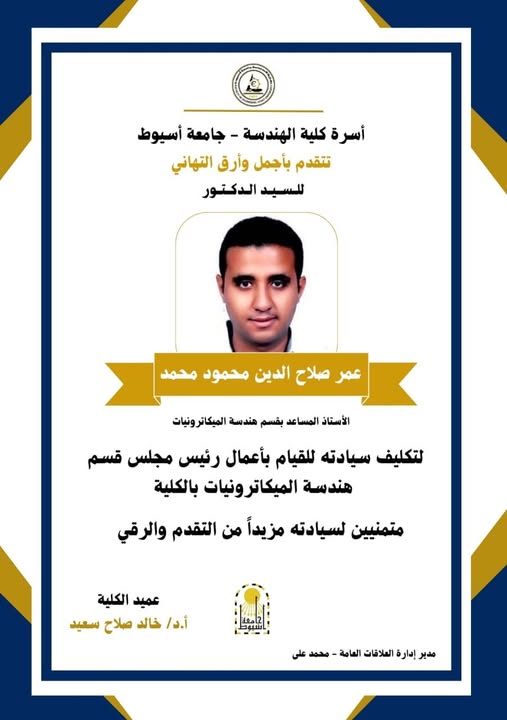
Prof. Dr. Khaled Salah, Dean of the Faculty, congratulates Prof. Eng. Dr. Omar Salah El-Din, Assistant Professor in the Department of Mechatronics Engineering at the Faculty, on the occasion of the issuance of the decision of His Excellency Prof. Dr. Ahme

On behalf of the College Administration and all its members, Prof. Dr. Khaled Salah, Dean of the College, extends his sincere congratulations to Prof. Eng. Dr. Omar Salah El-Din, Assistant Professor in the Mechatronics Engineering Department at the College, on the occasion of the issuance of the decision of His Excellency Prof. Dr. Ahmed El-Minshawy, President of the University, appointing him as Acting Head of the Mechatronics Engineering Department at the College, with sincere wishes for success and guidance.

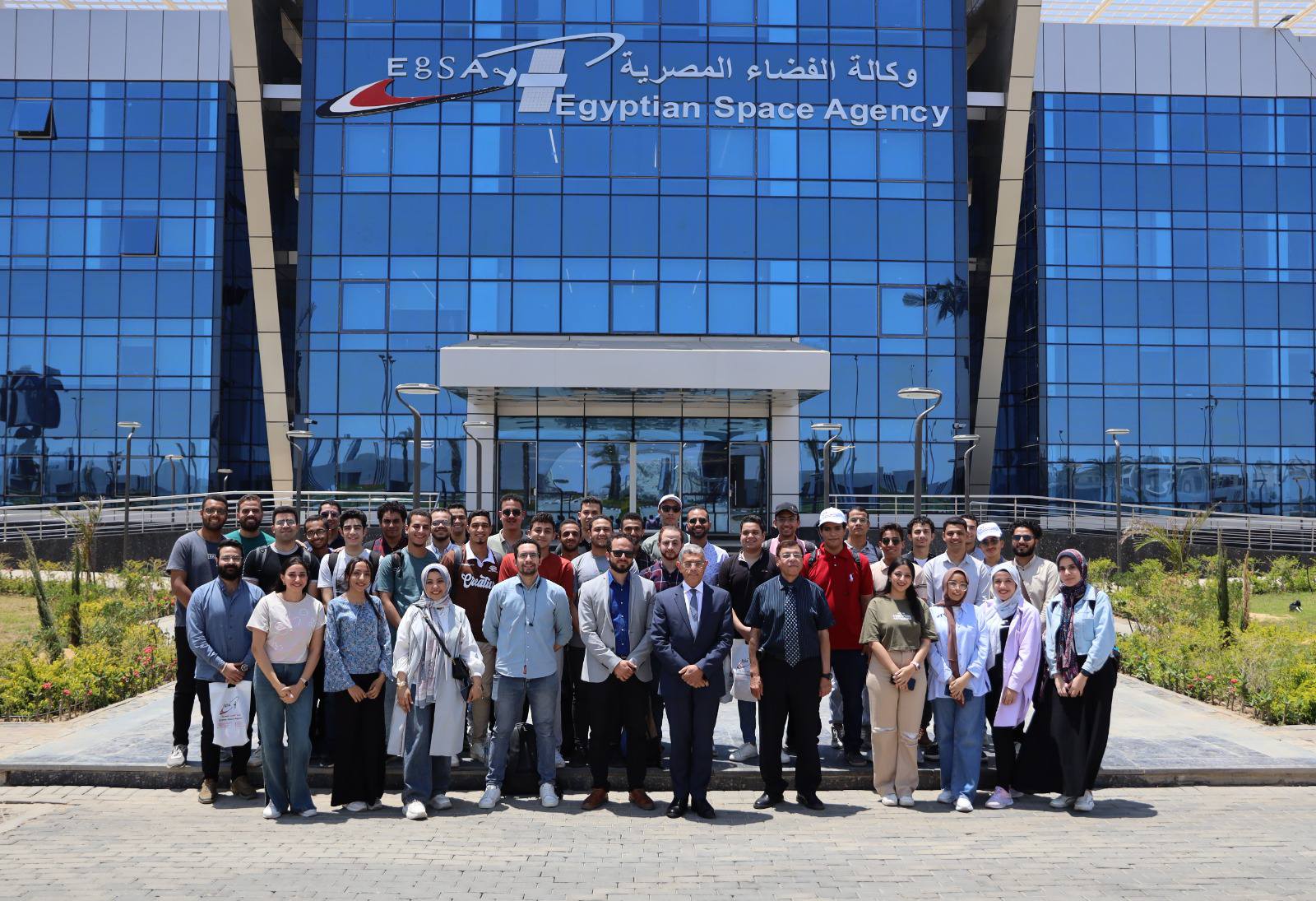
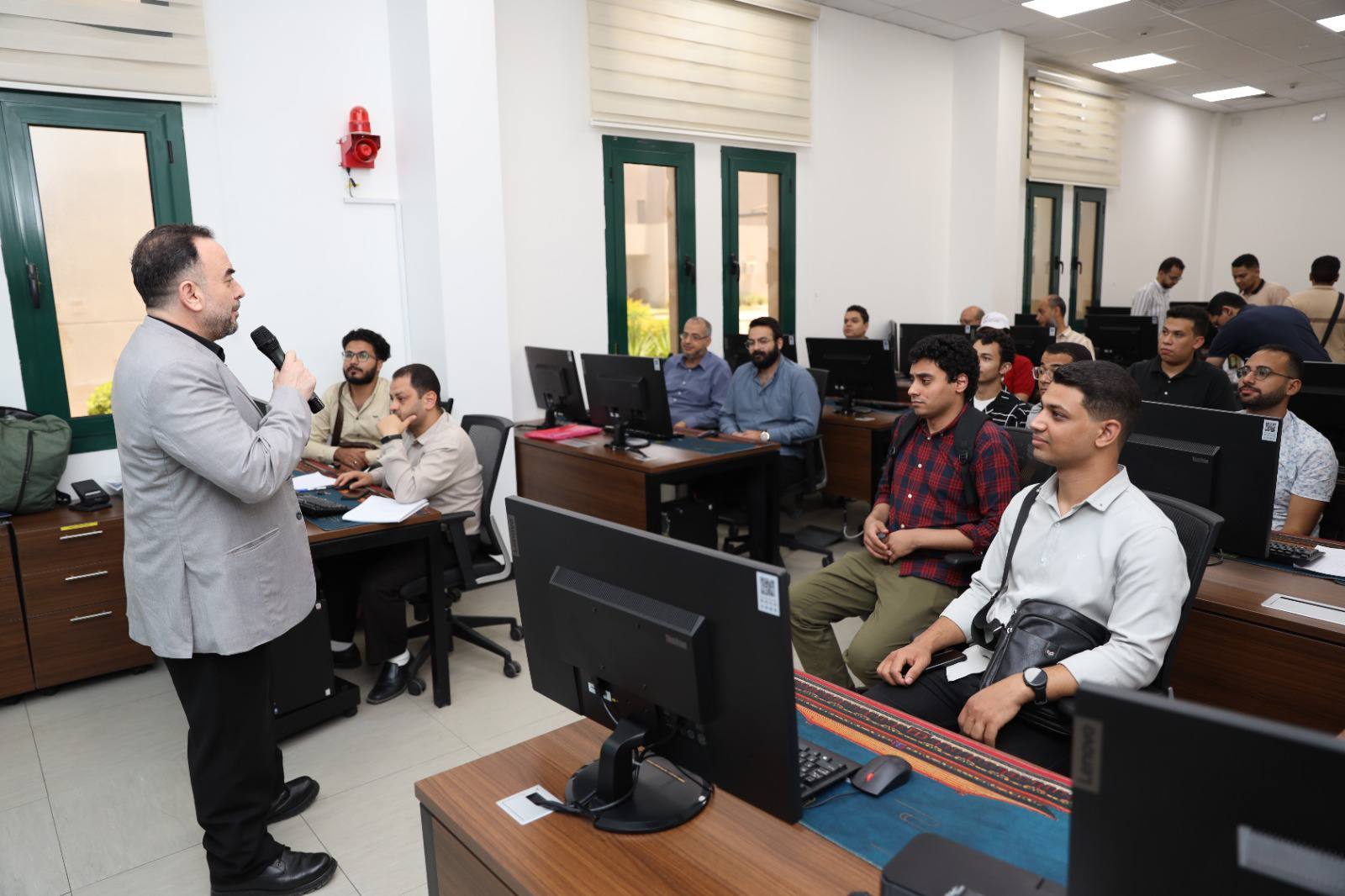
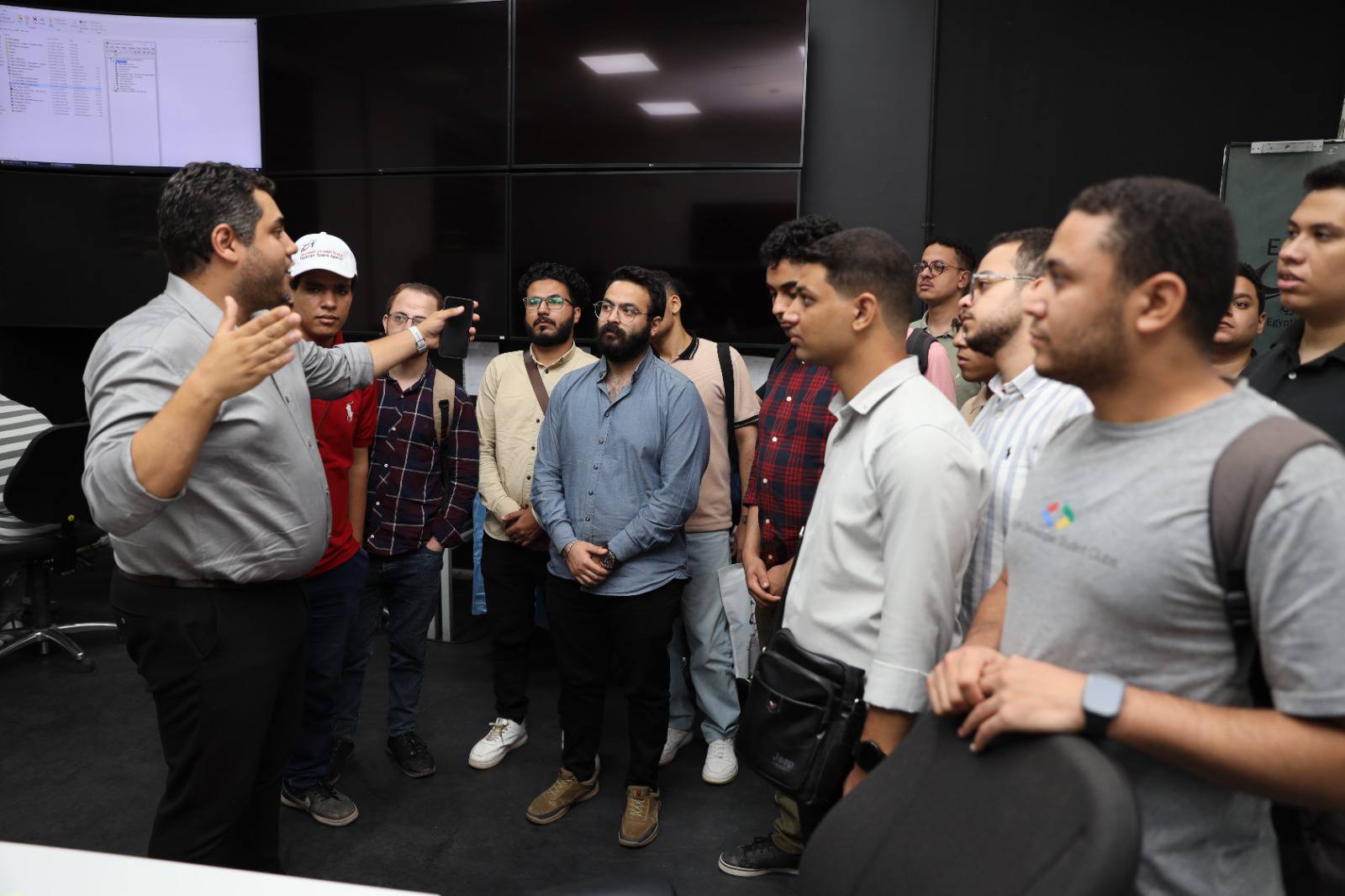
A delegation of Assiut University engineering students visited the Egyptian Space Agency as part of a cooperation protocol between the college and the agency.

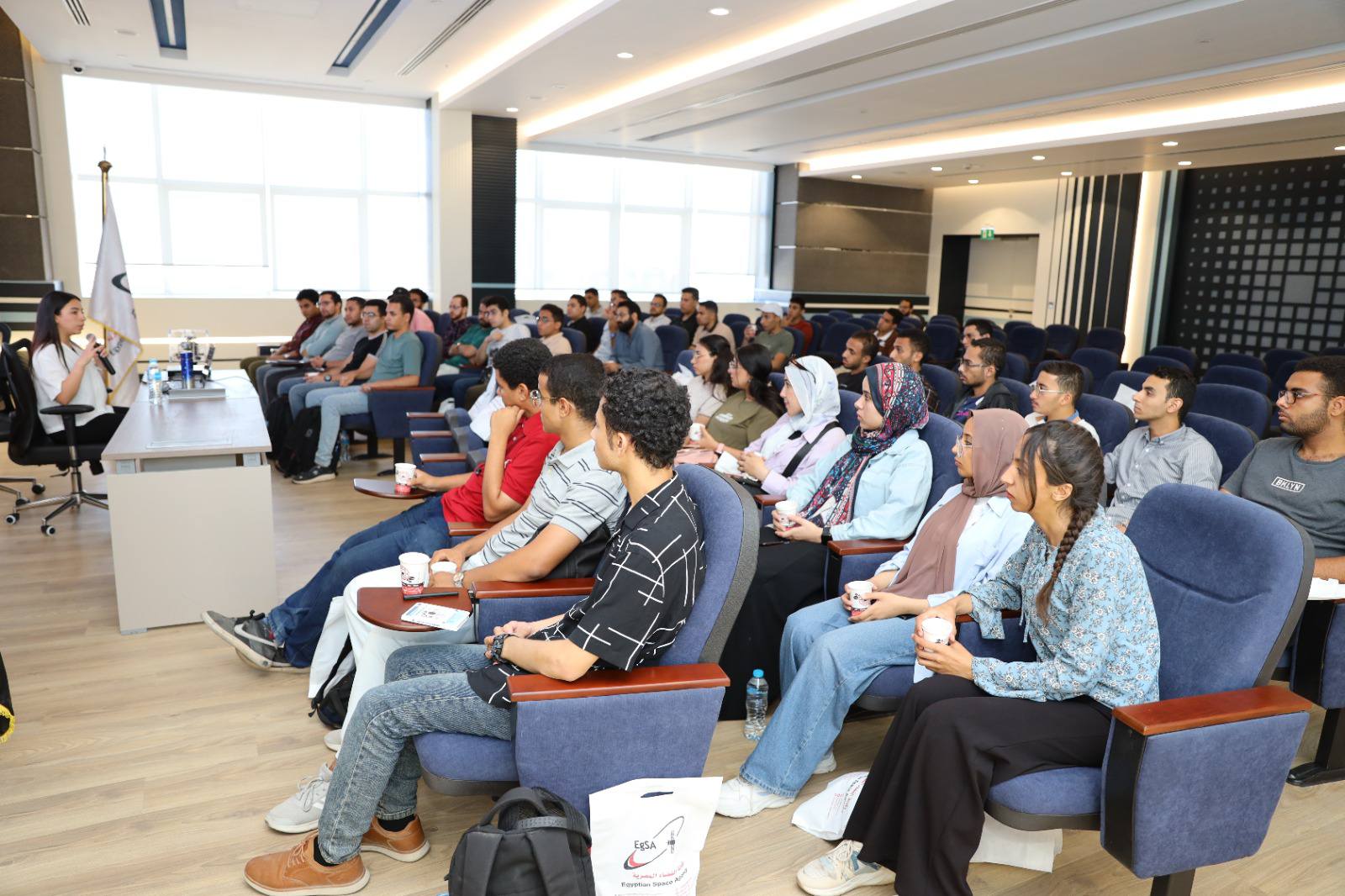
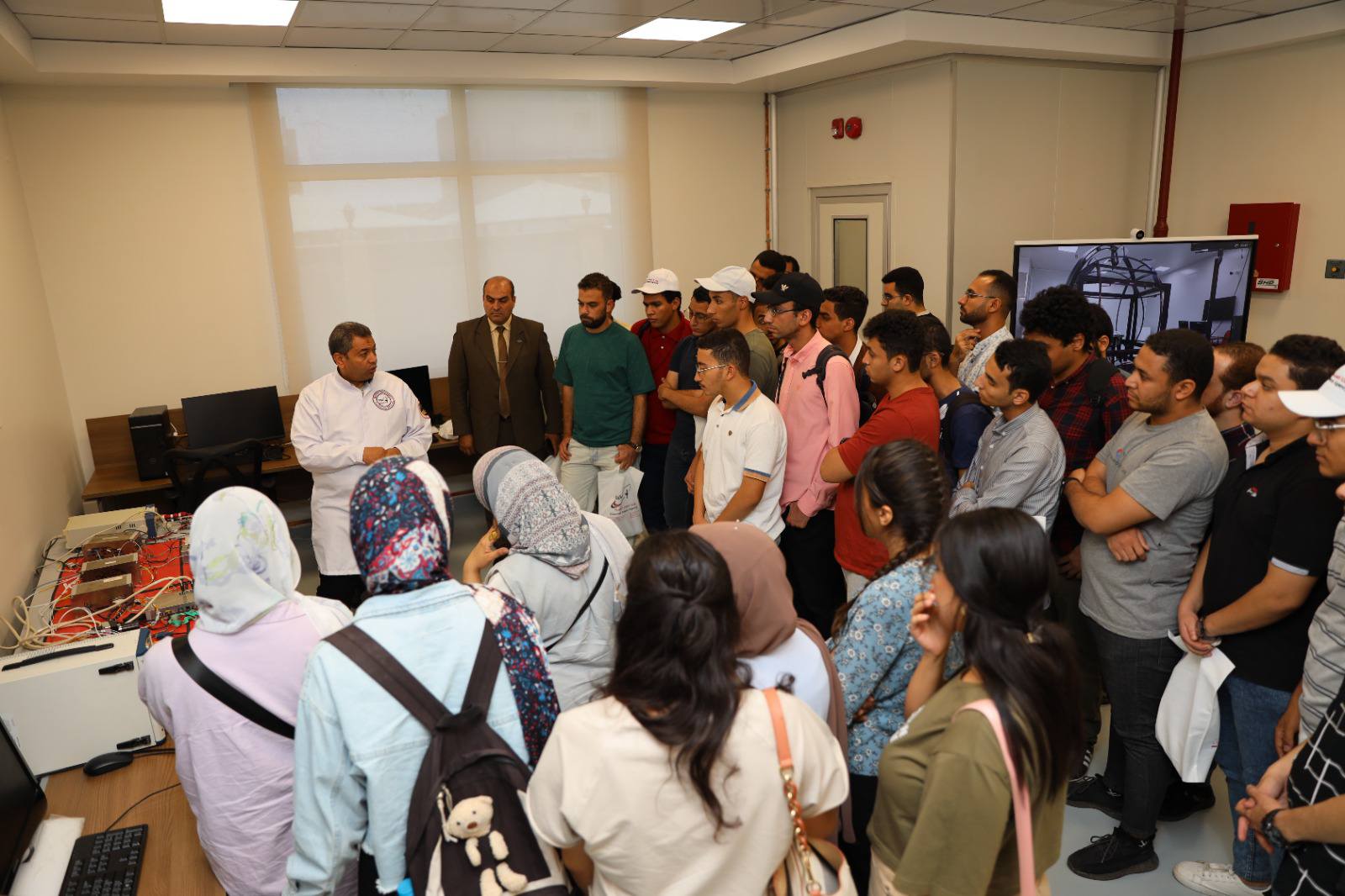
Under the patronage of Professor Dr. Ahmed El-Menshawy, President of the University, and Professor Dr. Ahmed Abdel-Mawla, Vice President for Education and Student Affairs, and under the supervision of Professor Dr. Khaled Salah, Dean of the Faculty, and Professor Dr. Mohamed Safwat Aburia, Vice Dean for Education and Student Affairs, the Faculty of Engineering at Assiut University organized a scientific visit for its students to the Egyptian Space Agency on Wednesday, June 18, 2025. This visit comes within the framework of a cooperation protocol between the university and the Egyptian Space Agency. Professor Dr. Ahmed El-Minshawy, President of Assiut University, stated on the official page of Assiut University that the university is keen to strengthen cooperation with leading national institutions, opening new horizons for students to learn about the latest technologies and practical experiences, especially in vital future fields such as space science and technology. He praised the important role played by the Egyptian Space Agency in supporting scientific research and localizing advanced technology, contributing to achieving the goals of sustainable development and Egypt's Vision 2030.

Professor Dr. Khaled Salah, Dean of the Faculty, stated that the visit is the first of a number of activities that the Faculty aims to organize in partnership and cooperation with the Agency on several work areas within the framework of the protocol signed between the University and the Agency. The visit included an overview of the Agency's advanced capabilities, including modern laboratories and specialized research facilities. Agency engineers provided a comprehensive explanation of the most prominent technologies used in satellite design and testing of their delicate components, in addition to methods of processing space data. They also reviewed a number of research and applied projects currently being implemented by the Agency.

1

2

3

4

5


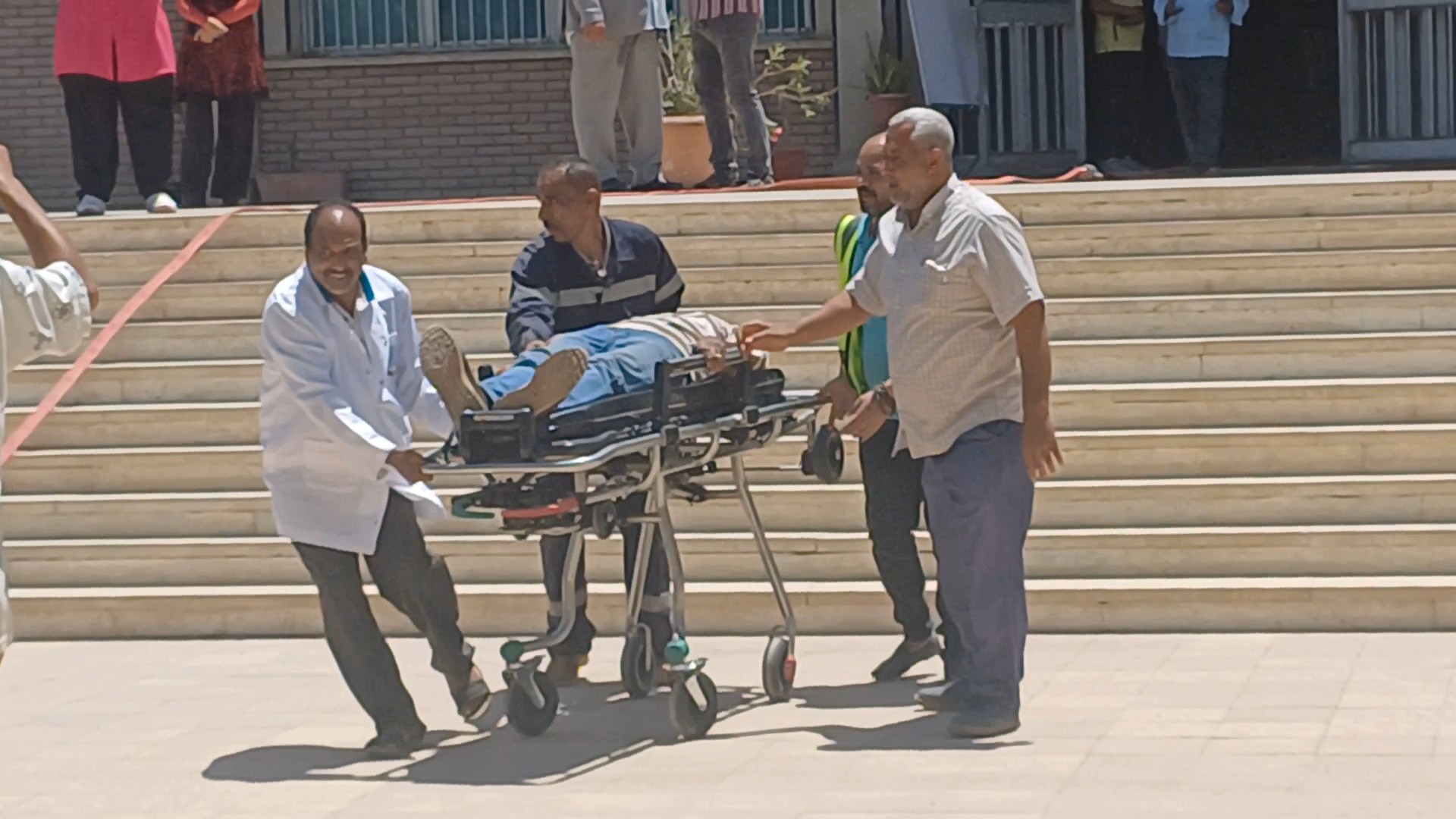
The College of Engineering is conducting an evacuation exercise for the college's administrative building.


3

2

12

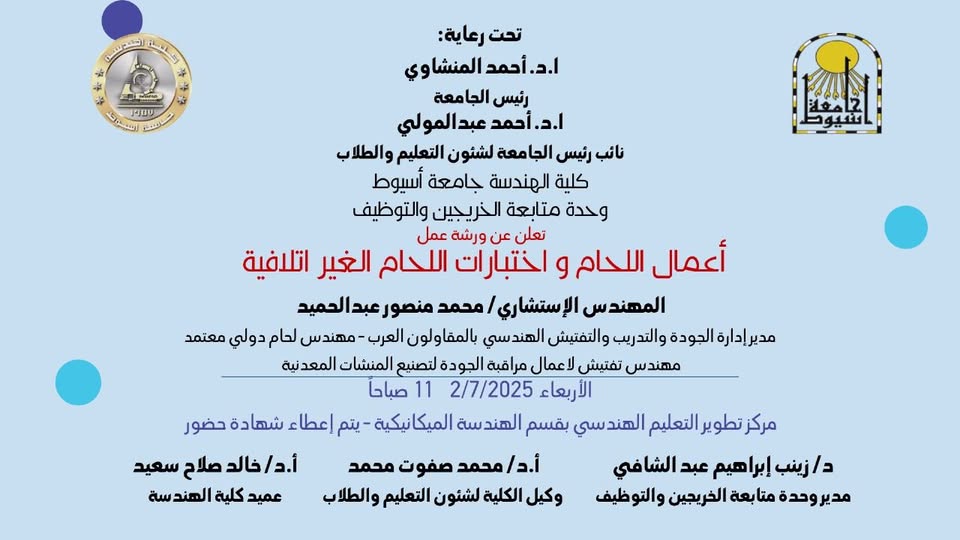
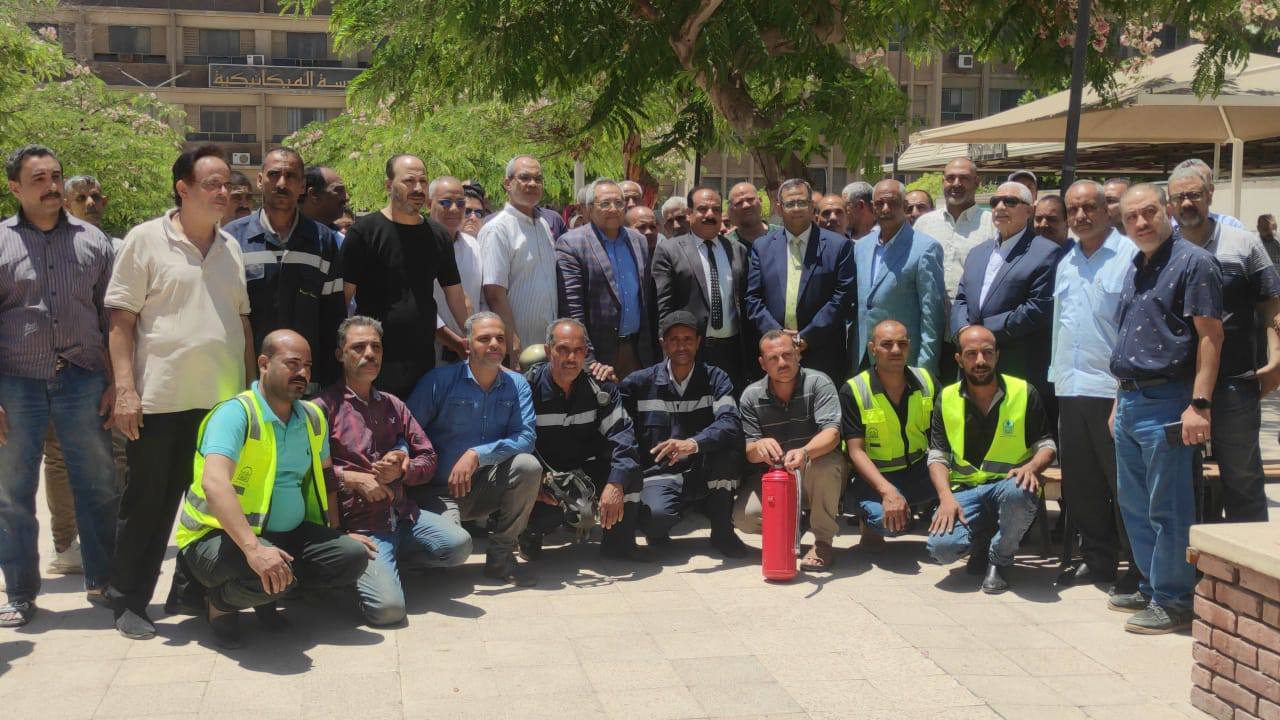
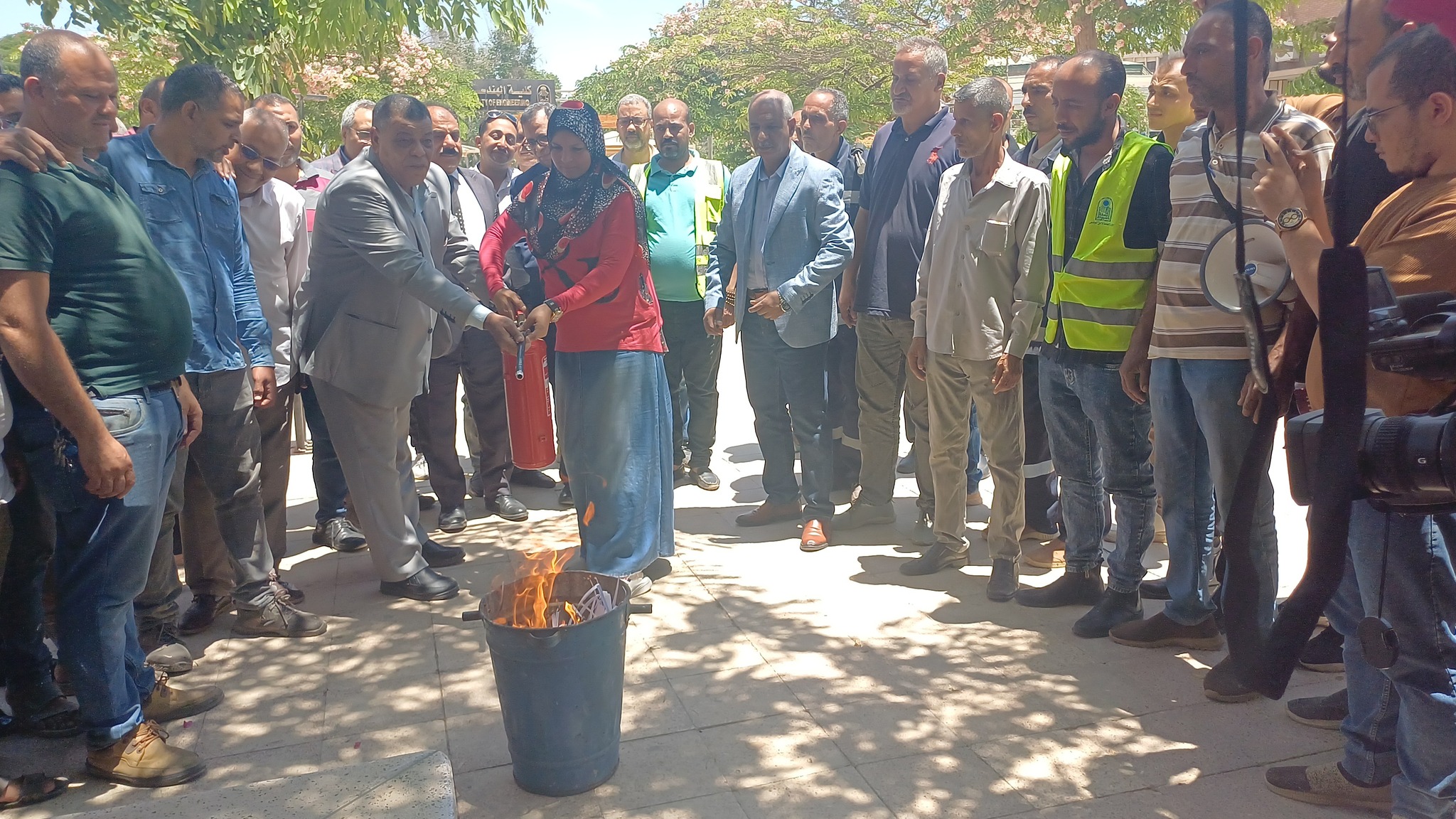
The Faculty of Engineering held an evacuation drill for the faculty's administrative building, an orientation lecture, and a firefighting equipment test.

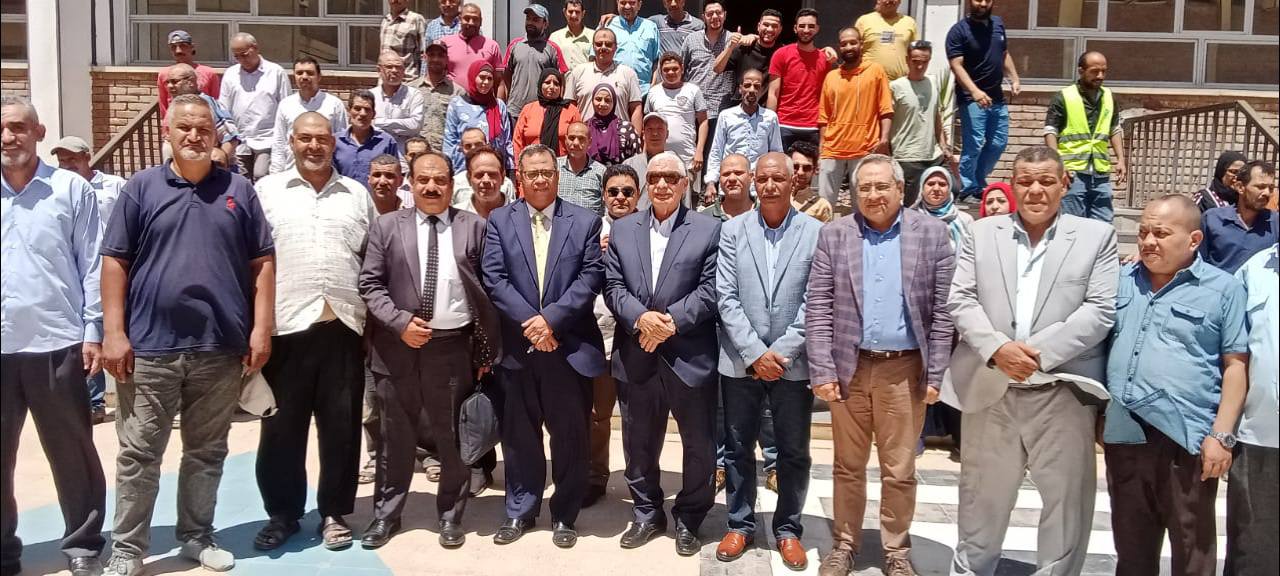
On Wednesday, June 25, 2025, the Faculty of Engineering at Assiut University conducted an evacuation drill for the faculty's administrative building as a training exercise on building evacuation procedures in the event of a fire hazard. A rapid training session was also held on the sidelines of the evacuation drill on the use of an outdoor firefighting equipment.

The experiment was held under the auspices of Professor Dr. Ahmed El-Menshawy, President of the University, and Professor Dr. Mahmoud Abdel-Alim, Vice President for Community Service and Environmental Development, and under the supervision and attendance of Professor Dr. Khaled Salah, Dean of the Faculty, Professor Dr. Mohamed Safwat Abu Raya, Vice Dean for Education and Student Affairs and Acting Vice Dean for Community Service and Environmental Development, and Professor Raafat Bakr, Secretary-General of the Faculty.

The experiment was also supervised and implemented by Major General Abdel Rahman Serry, Advisor to the President of the University, Professor Moamen Mohamed Sayed, Director of the Security Department, Professor Mohamed Abdel-Aal, Director of the University Civil Defense, Professor Ali Omar, Director of Occupational Safety and Health, Professor Mohamed Mohie, Director of the Faculty Security Department, and a number of faculty security and university civil defense personnel.

A large number of employees from various sectors and facilities of the Faculty participated in the experiment. The implementation was carried out in cooperation with the University Security and Occupational Safety Department, hospitals, and various relevant authorities. The University Security Department, fire engines from the University Civil Protection Department, and ambulances from hospitals participated in the experiment.

During the orientation lecture, Professor Dr. Khaled Salah, Dean of the Faculty, pointed out that the training activities are part of a series of training courses aimed at spreading a culture of dealing with and avoiding risks to ensure the safety of individuals and facilities. This is achieved through practical application of how to take the optimal response and proper action in risk situations, thus preserving lives and facilities. He praised the Faculty of Engineering's facilities, laboratories, and green spaces, which require proper and comprehensive preservation and protection.

His Excellency also expressed his thanks and appreciation to the university administration, headed by Professor Dr. Ahmed El-Minshawy, President of Assiut University, and Professor Dr. Mahmoud Abdel-Alim, Vice President for Community Service and Environmental Development Affairs. He commended their commitment to ensuring the safety and security of all individuals and facilities on campus. He also urged them to continue to promote a culture of civil protection and to introduce firefighting mechanisms and proper procedures to avoid their causes and reduce their risks. He also noted the continued efforts and tireless work to train and qualify all employees across the university's various sectors to adhere to public safety and security procedures, and to enhance their expertise in this important field.

In the same context, Professor Dr. Mohamed Safwat Ali emphasized the importance of such training courses, which aim to spread the culture of civil defense and introduce mechanisms for preserving human resources and protecting facilities. He also thanked the university administration for providing continuous support at all levels, based on its full awareness of the importance of civil defense and its commitment to ensuring the safety of individuals and facilities from danger.

The Faculty of Engineering extends its sincere thanks to the University Security and Occupational Safety Department for providing the necessary support and technical supervision of the evacuation process.


 

invitation

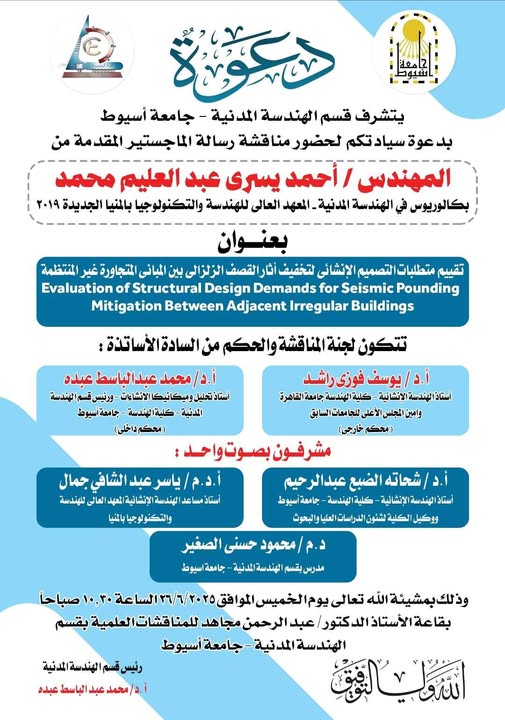
The Department of Civil Engineering is honored to invite you to attend the discussion of the master's thesis submitted by Engineer Ahmed Youssef Abdel-Aleem, on Thursday, June 26, 2025, in the discussion hall of the Civil Engineering Department (Prof. Dr. Abdel-Rahman Mujahid Hall) at 10:30 a.m.


Important Notice


Students in the following grades:

- Preparatory grade

- First, second, and third years in the Department of Architecture

- First, second, and third years in the three departments of Mechanical Engineering

Who wish to file grievances regarding first and second semester subjects should contact Student Affairs to file a grievance. The deadline for grievances is two weeks from the date of the results announcement, in accordance with previous years.


Subscribe to