 Do you have any questions?




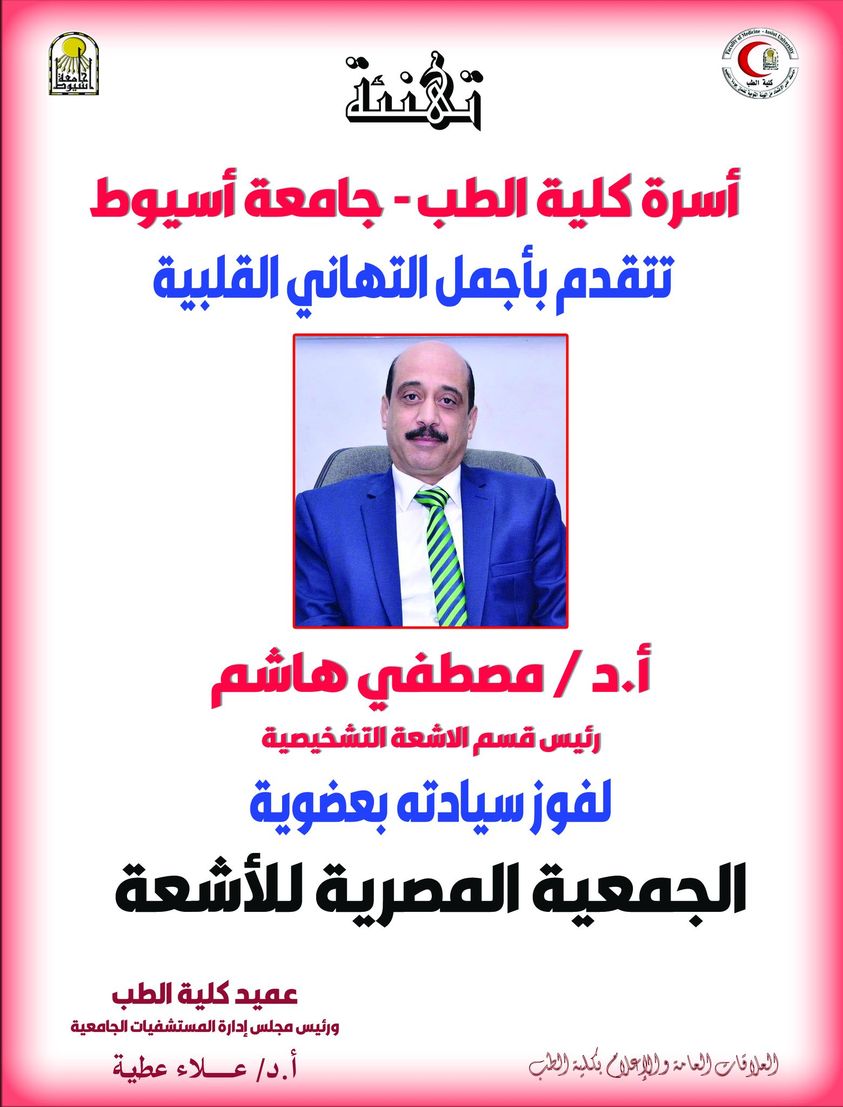
Congratulations Prof. / Dr. Mostafa Hashem - for winning the membership of the Egyptian Society of Radiology
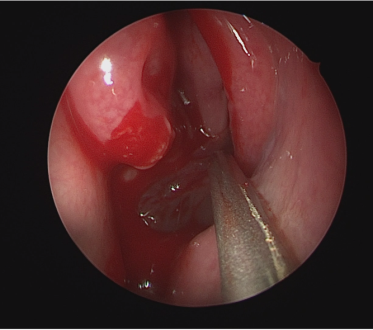
Endoscopic approaches to the maxillary sinus: A comparative study
Research Abstract
Background
Treatment of inflammatory and neoplastic diseases of maxillary sinus requires appropriate surgical exposure. Despite the use of multi-angulated endoscopes and curved instruments, there are some areas which still cannot be handled or viewed. So, further approaches other than the standard technique are needed to improve visualization and access to make possible disease control.
Aim
To compare the outcomes of middle meatal antrostomy approach (group A), endoscopic prelacrimal recess approach (group B) and canine fossa approach (group C).
Patients and methods
Sixty patients with maxillary sinus lesions justifying surgery were included in this study. Patients were classified into 3 groups A, B and C, each one included 20 patients and were subjected to middle meatal antrostomy approach, endoscopic prelacrimal recess approach, and canine fossa approach respectively. Comparison between groups was done regarding the ability of each approach to access, visualize and reach different recesses and walls of the maxillary sinus, postoperative or intraoperative complications and postoperative recurrence.
Results
There was no significant difference found between group B and C regarding complete accessibility to different recesses and walls of the maxillary sinus. Only three (15%) patients from those who underwent middle meatal antrostomy approach had radiological and endoscopic recurrence, on the other hand none of those who underwent other approaches developed recurrence. Complications occurred in our study were quite few and not dangerous.
Conclusion
Prelacrimal recess approach and canine fossa approach are useful methods for diverse maxillary sinus lesions with excellent accessibility to all walls and recesses without lacrimal duct or inferior turbinate injury and less recurrence.
Keywords :
- Maxillary sinus, endoscopic approaches, middle meatal antrostomy approach, prelacrimal recess approach, canine fossa approach.
Research Date
Research Department
Research File
Paper abstract.docx
(25.84 KB)
Paper abstract_0.docx
(25.84 KB)
Research Image
Research Journal
EJNSO
Research Member
Research Pages
25
Research Publisher
EJNSO
Research Rank
clinical trial Rondomized
Research Vol
1
Research Website
EJNSO
Research Year
2022
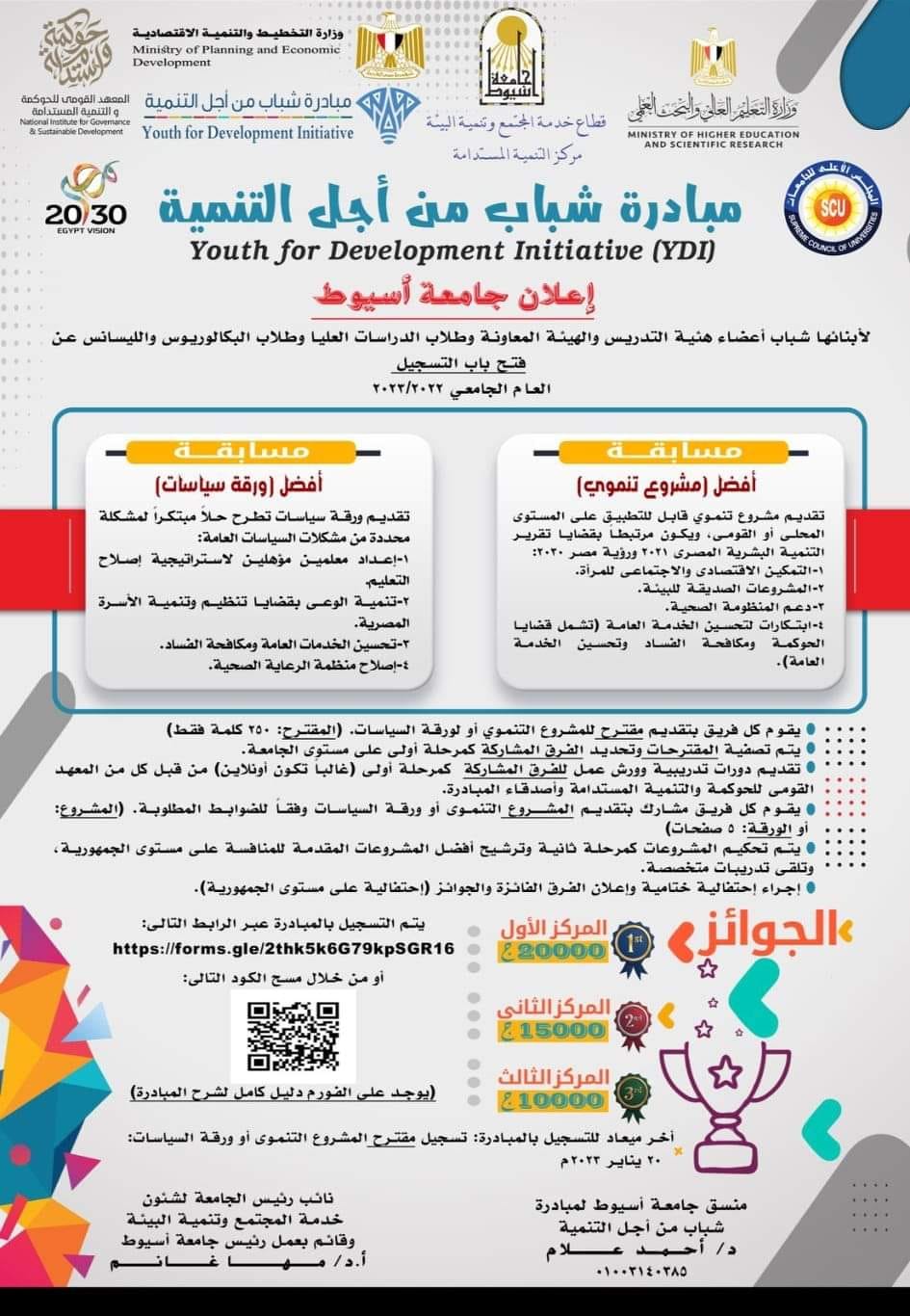
Youth for Development Initiative
A great medical achievement, which is the transplantation of 3 consecutive kidney cases during this week - Tract Hospital - Assiut University
Congratulations to Mrs. Prof. Dr. Maha Kamel Ghanem - for assigning her honor to carry out the duties of the university president

In vivo investigation of the ameliorating effect of copper albumin complex on chondroitin sulfate in monosodium iodoacetate -induced knee osteoarthritis in rats
Research Abstract
Osteoarthritis (OA) is a condition that manifests as cartilage deterioration and subchondral bone sclerosis in the joint tissues. The weight-bearing joint is most severely impacted by OA. According to some research, consuming foods high in copper albumin complex (cu-albumin complex) can help with OA-related joint degeneration and pain relief. The current study's objective to determine how oral administration of the cu-albumin complex as an anti-inflammatory medication affected the development of rat knee osteoarthritis (KOA). Fifty adult albino rats were divided into three groups: negative control untreated (n= 10, no KOA induction); positive untreated control (n= 20, KOA induction); and treated group (n= 20, KOA induction with administration of cu-albumin complex). According to the severity of the clinical symptoms, treated and untreated arthritic groups were equally divided into mild and severe groups (n=10). Monosodium iodoacetate (MIA) was used as intra-articular injection for osteoarthritis induction. Rats were euthanized after a month of the beginning of the experiment, and the joints were examined histopathologically and immunohistochemically. It was indicated that the treatment was effective in reducing KOA severity and in improvement of chondroitin sulfate of the affected cartilages. In conclusion, the structure of the chondroitin sulphate in the knee joint cartilages of KOA-affected rats was modified by the cu-albumin complex
Research Date
Research Department
Research Journal
SVU- International Journal of Veterinary Sciences
Research Member
Research Pages
153-164
Research Vol
5 (4)
Research Year
2022
Emergence of Nosocomial Pneumonia Caused by Colistin-Resistant Escherichia coli in Patients Admitted to Chest Intensive Care Unit
Research Abstract
Research Date
Research Department
Research Member
Research Website
https://scholar.google.com.eg/citations?view_op=view_citation&hl=en&user=hc1BpR4AAAAJ&cstart=20&pagesize=80&citation_for_view=hc1BpR4AAAAJ:pqnbT2bcN3wC
Research Year
2021
Model systems for studying extrahepatic pathogenesis of hepatitis E virus. Current knowledge and future directions
Research Abstract
Research Date
Research Department
Research Member
Research Website
https://scholar.google.com.eg/citations?view_op=view_citation&hl=en&user=hc1BpR4AAAAJ&cstart=20&pagesize=80&citation_for_view=hc1BpR4AAAAJ:35N4QoGY0k4C
Research Year
2021
Are ruminants and their products potential sources of human hepatitis E virus infection?
Research Abstract
Research Date
Research Department
Research Member
Research Website
https://scholar.google.com.eg/citations?view_op=view_citation&hl=en&user=hc1BpR4AAAAJ&cstart=20&pagesize=80&citation_for_view=hc1BpR4AAAAJ:NhqRSupF_l8C
Research Year
2021