 Do you have any questions?

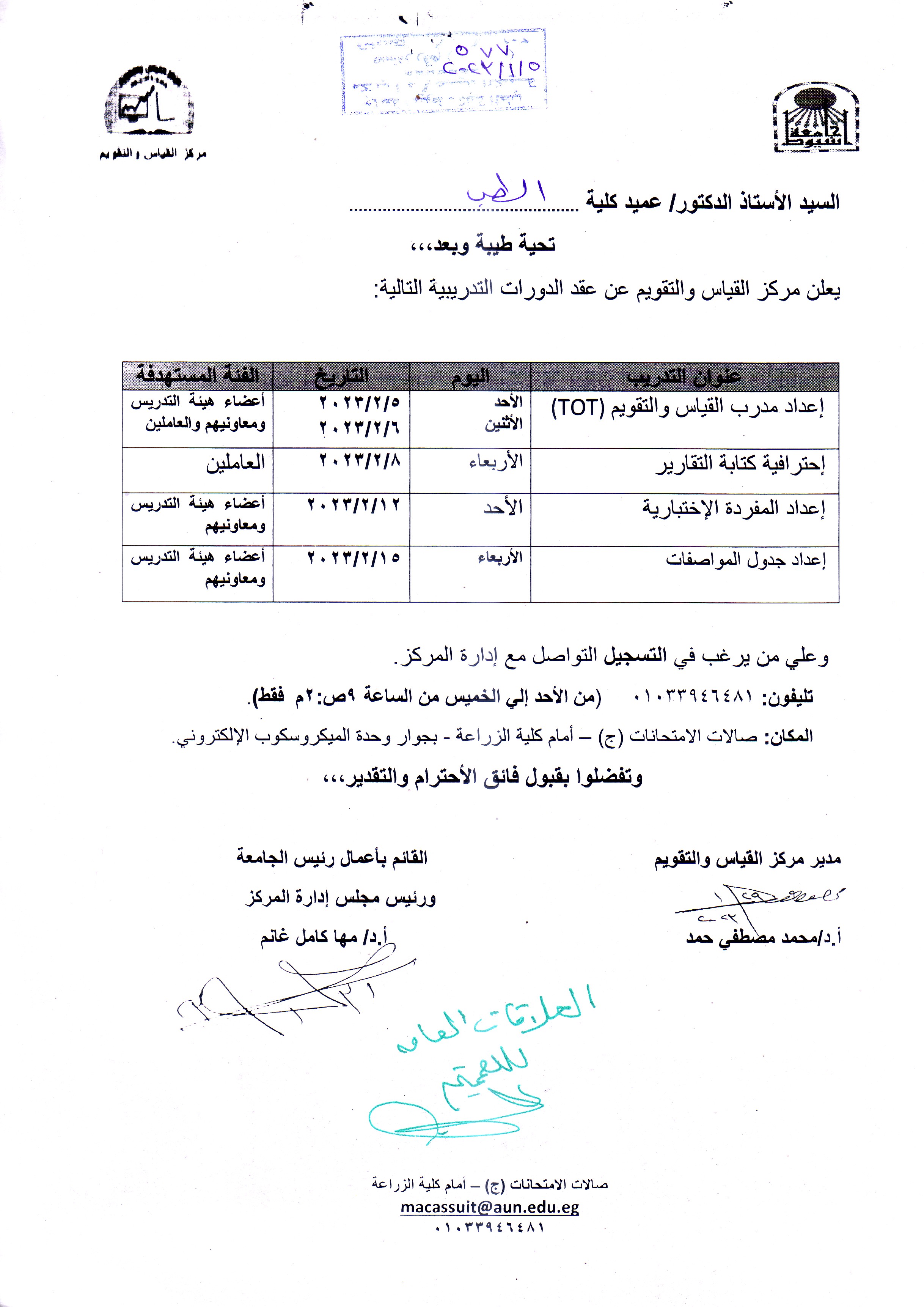
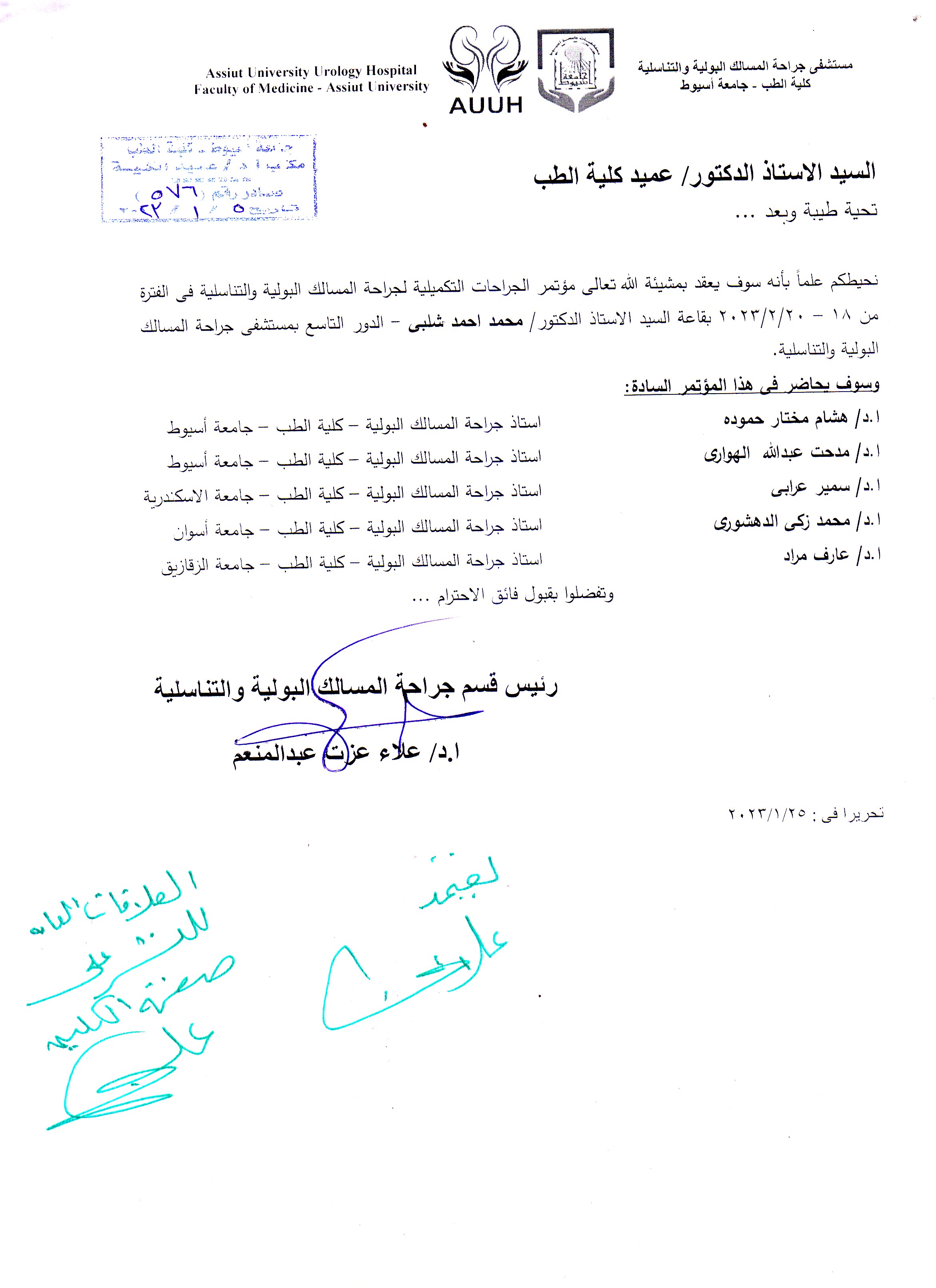
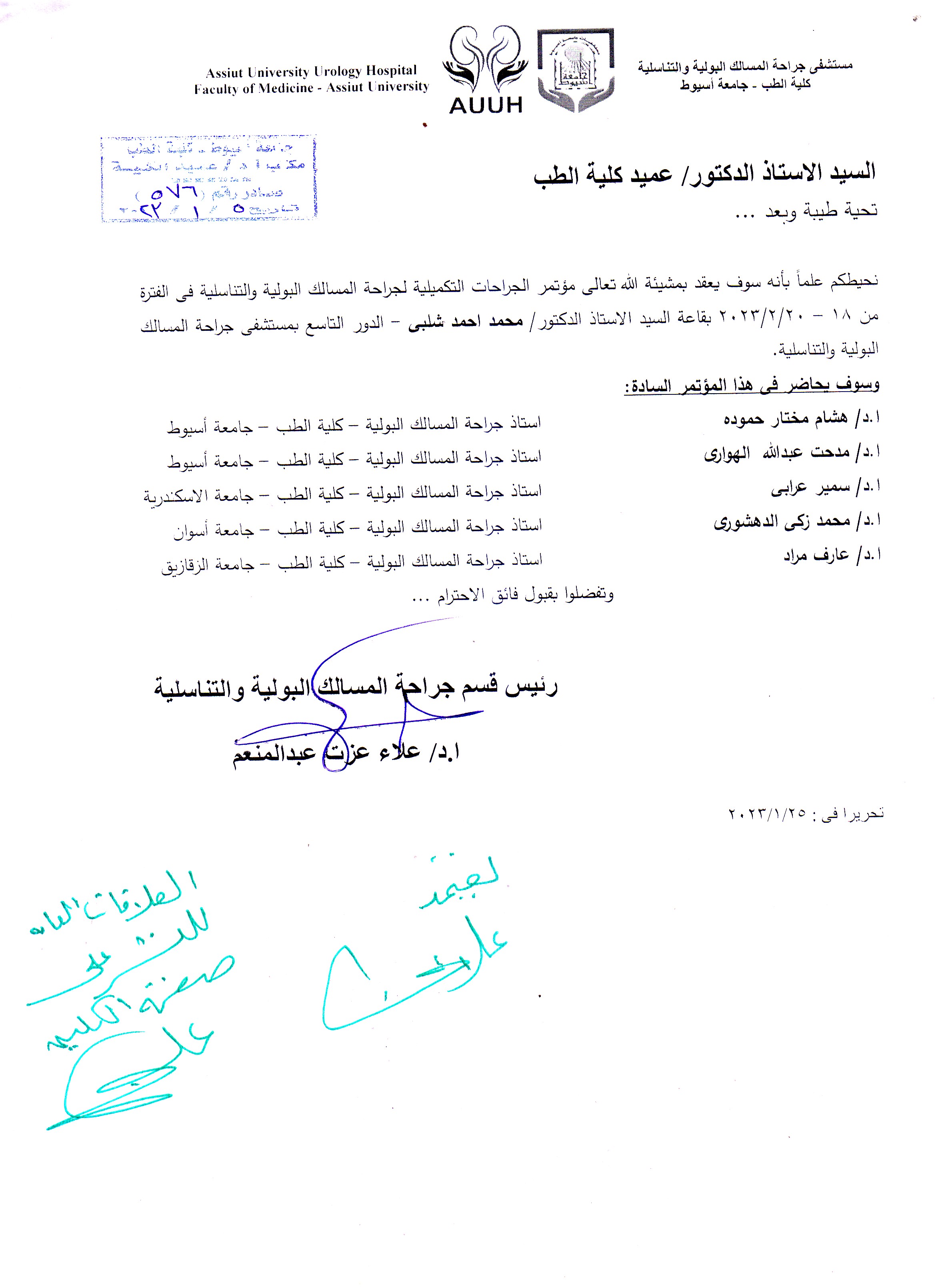
The Integrative Surgery Conference for Urology and Reproductive Tract Surgery from 18 to 20/2/2023
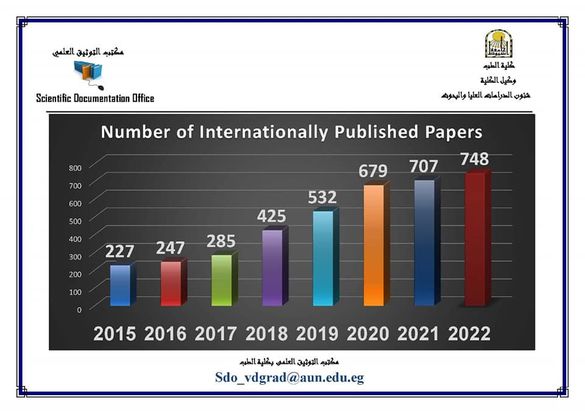
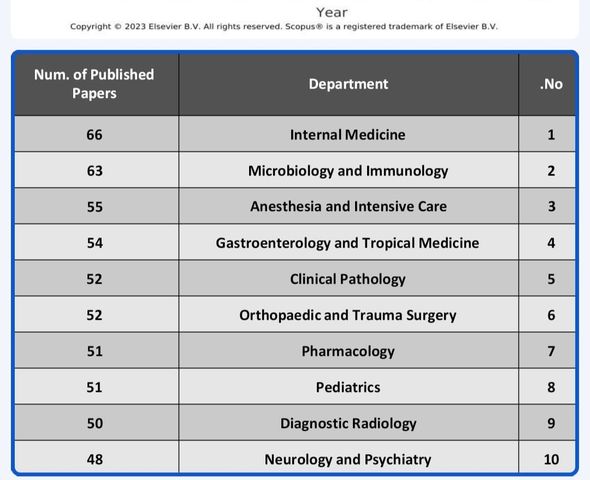
The Faculty of Medicine obtained the first place at the level of international publication
يهنيء قطاع الدراسات العليا والبحوث برئاسة الاستاذ الدكتور /يوسف صالح وكيل الكلية لشئون الدراسات العليا والبحوث
الأستاذة الدكتورة/مها كامل غانم القائم بأعمال رئيس الجامعة
والاستاذ الدكتور /علاء عطية عميد كلية الطب
بحصول كلية الطب علي المركز الاول علي مستوي النشر الدولي وبنسبة ٣٠٪ من انتاج الجامعة وقد بلغ عدد الابحاث المنشورة دولياً هذا العام ٧٤٨ بحث من اجمالي ٢٣٦١ بالجامعة.
وقد بلغ معدل النشر في Q1, Q2 بمعدل ٦٠ ٪من الأبحاث المقبولة بكلية الطب.
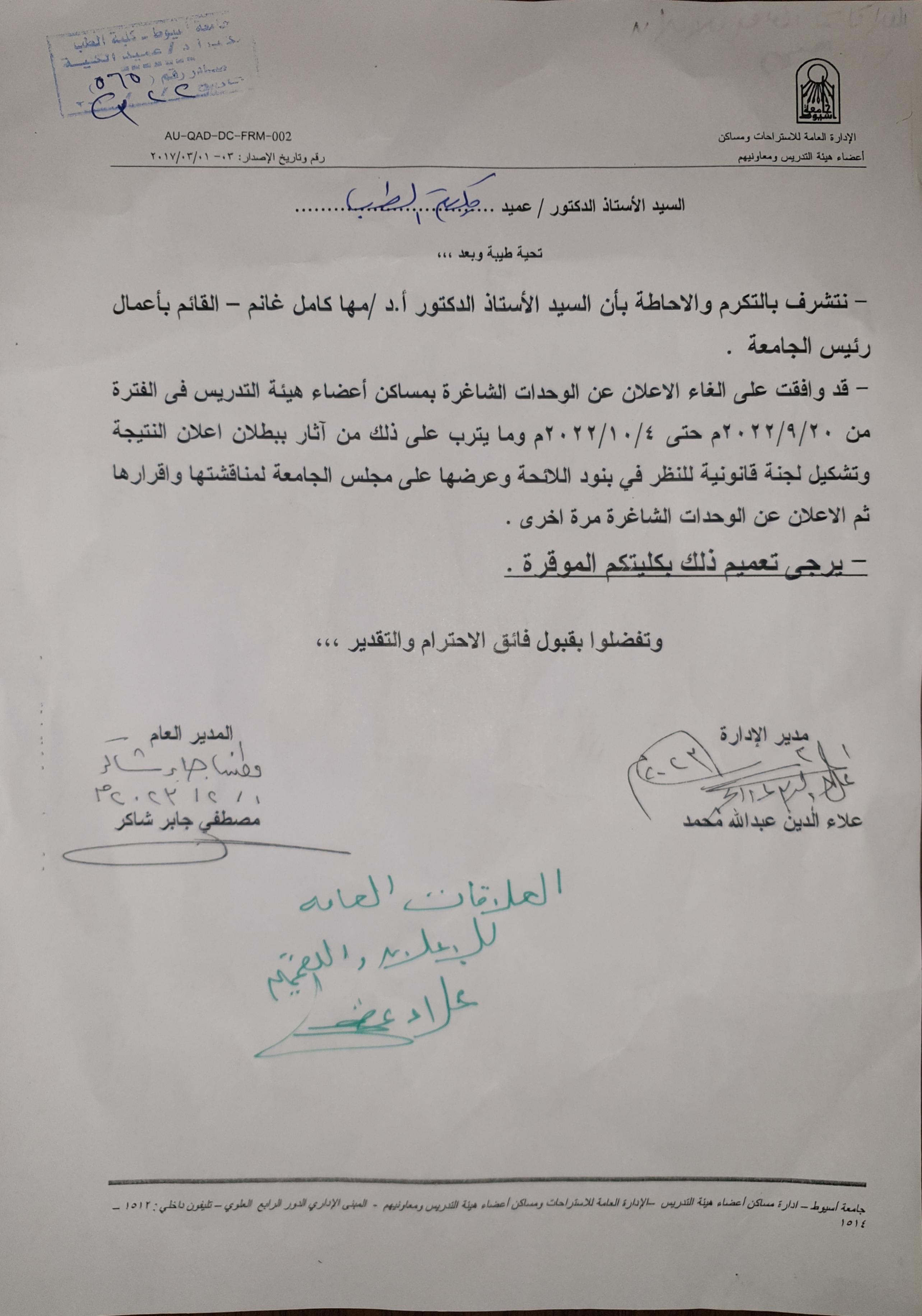
Announcement of housing units for faculty members
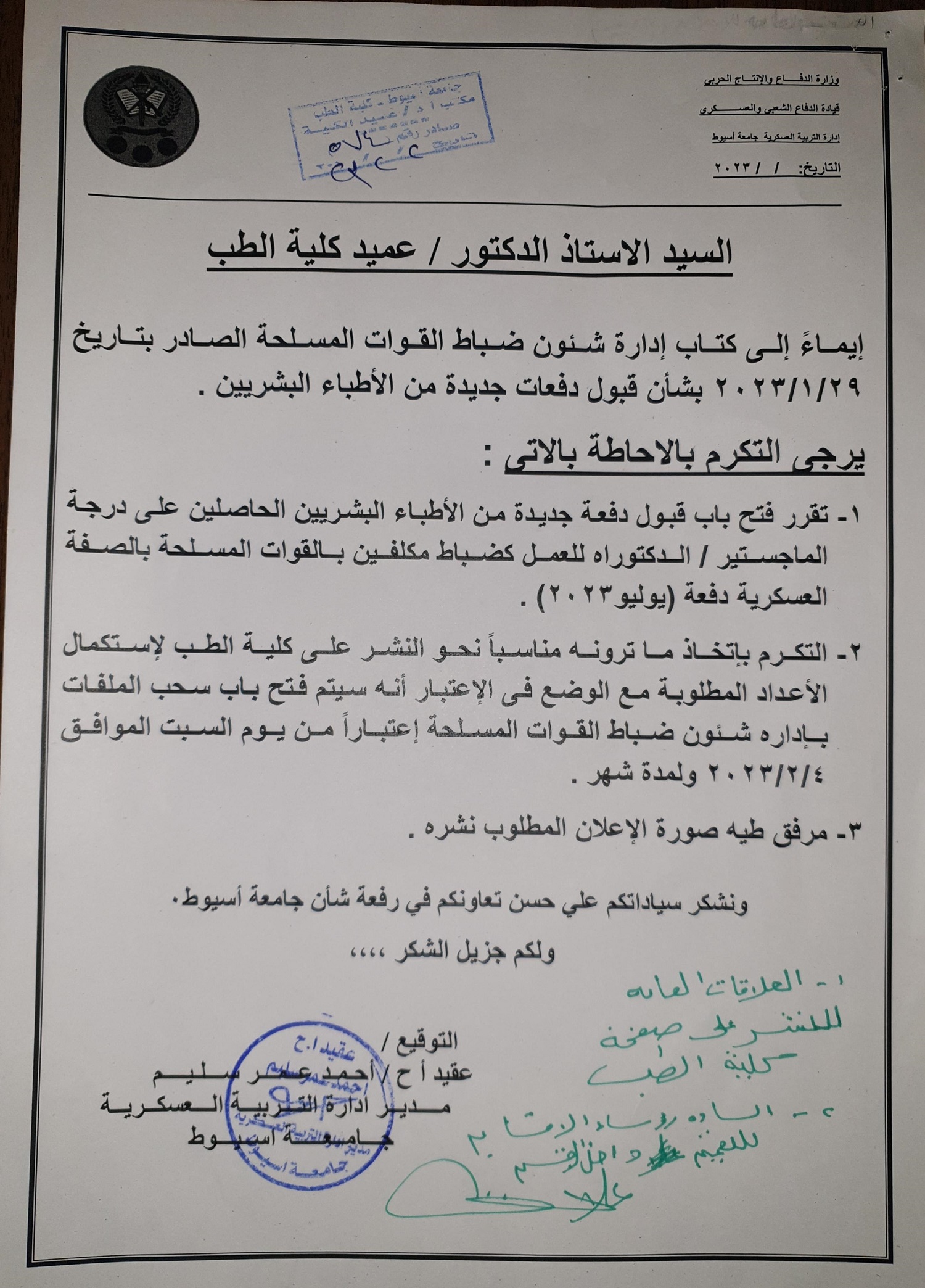
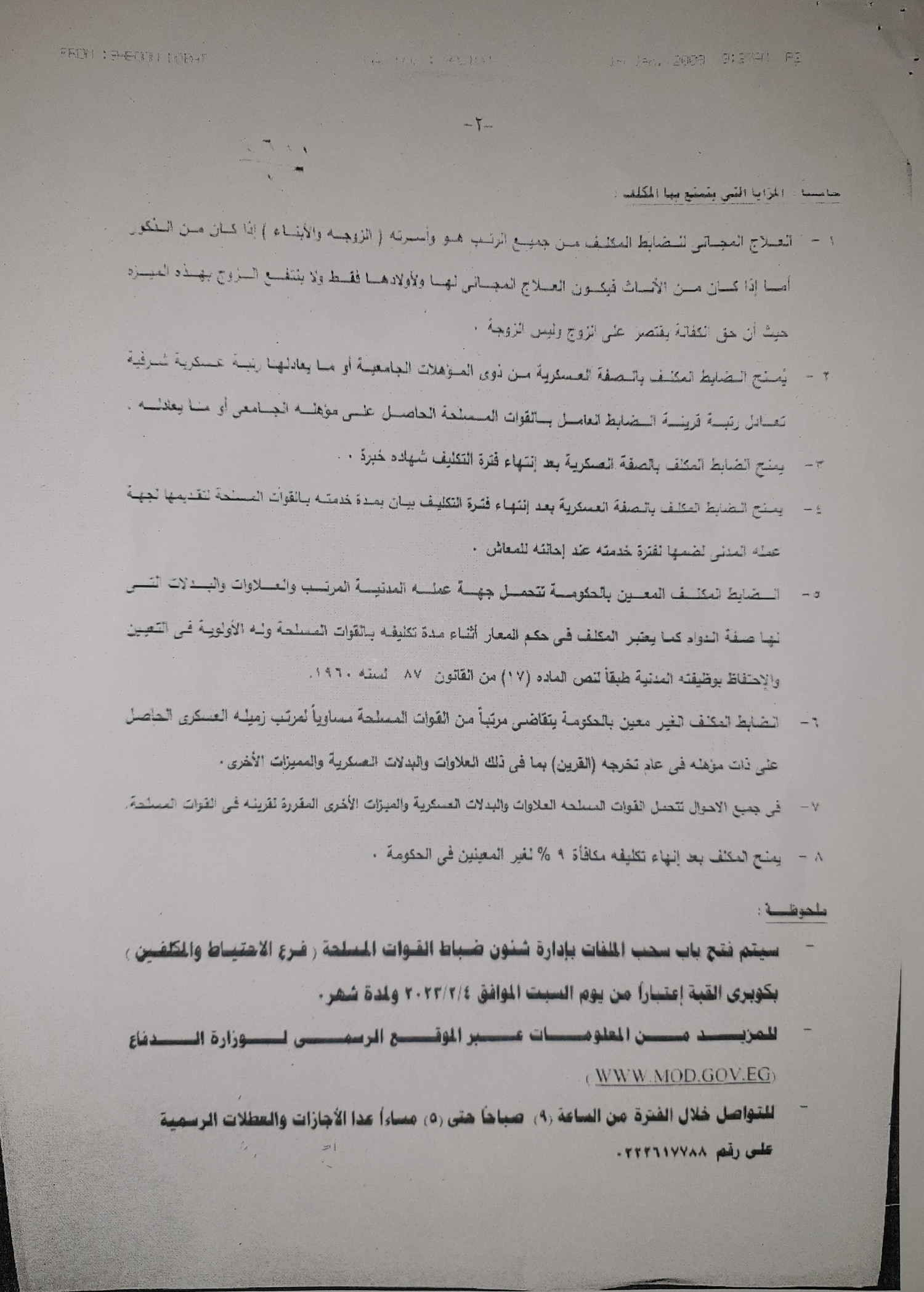
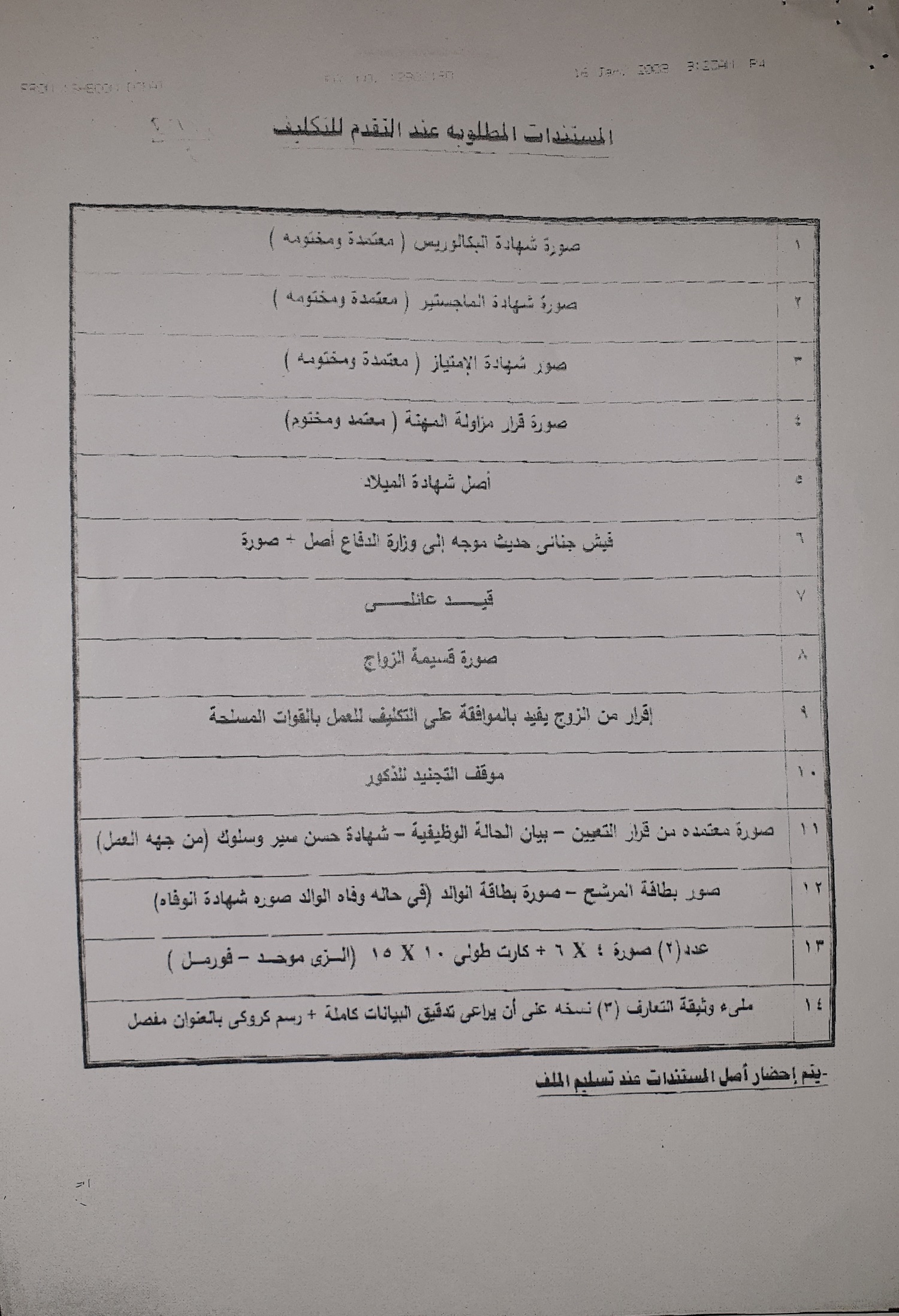
Announcement regarding the Ministry of Defense and Military Production accepting new batches of human doctors

The predictive value of anti-Müllerian hormone for natural conception leading to live birth in subfertile couples
Research Abstract
Research question
What is the predictive value of serum anti-Müllerian hormone (AMH) level for natural conception and its clinical effect on subfertile couples?
Design
A retrospective cohort of ovulatory women seeking fertility consultation in a private fertility clinic. Couples who had an immediate indication for IVF were excluded. All natural conceptions leading to live birth before the start of assisted reproductive technology were followed within 12 months of the initial consultation. A prediction model was developed by updating the Hunault model with serum AMH to predict the probabilities of achieving a natural conception leading to live birth.
Results
A total of 325 couples were included in the final analysis. The estimated cumulative proability of achieving natural conception leading to live birth within 12 months was 20.9% (95% CI 12.9% to 28.2%). The categorical net reclassification improvement of AMH is 7.6%. Fo
Research Date
Research Department
Research Journal
Reproductive BioMedicine Online
Research Member
Research Pages
557-564
Research Publisher
Elsevier
Research Year
2022
Anti-Müllerian hormone is a predictor of medium-term cumulative live birth following in vitro fertilization/intracytoplasmic sperm injection: A retrospective study
Research Abstract
Objectives
This study aims to examine the capacity of anti-Müllerian hormone (AMH) to predict cumulative live birth rate (CLBR) following IVF/ICSI within 36 months since start of treatment.
Study design
This is a cohort study of women seeking IVF/ICSI fertility treatment in a private Australian IVF clinic in a single calendar year. Live births were monitored over three years following start date of IVF/ICSI. The impact of serum AMH level on the CLBR was assessed using Cox’s proportional hazard models, and its incremental values in the prediction of CLBR were evaluated.
Results
The CLBRs were significantly higher in women with AMH levels in the highest (>44.5 pmol/L; 87.0%, 95% CI 79.2% – 95.1%) and in the middle two quartiles (between 11.5 and 44.5 pmol/L; 81.0%, 95% CI 74.2% – 87.6%), compared with AMH levels below the 25th percentile (≤11.5 pmol/L; 63.2%, 95% CI 53.2% – 74.5%). Approximately half of …
Research Date
Research Department
Research Journal
European Journal of Obstetrics & Gynecology and Reproductive Biology
Research Member
Research Publisher
Elsevier
Research Year
2022
Pentacam study of anterior and posterior corneal astigmatism in patients with Keratoconus and healthy controls
Research Abstract
| Introduction: Keratoconus is a chronic, noninflammatory, progressive, ectatic corneal disorder that degrades vision due to myopia and irregular astigmatism. Recently, the priority of posterior corneal astigmatism has been identified when toric IOL is considered. The aim of the study was to assess and correlate the power and axis orientation of anterior and posterior corneal astigmatism in keratoconus patients and healthy controls. Patients and methods: This was a retrospective cross sectional comparative study which involve 100 eyes of 50 KC patients and 100 eyes of 50 control group. Which they have a scans of corneal tomography maps of goodquality that analyzed by pentacam. Results: The mean magnitudes of the ACA and PCA in KC group were higher than controls and the axis orientation of corneal astigmatism was 71% WTR for ACA and 73% ATR for PCA and there were significant correlations between ACA and PCA with TCA, the effect of ACA on TCA was 6.1% and of PCA on TCA was 9.2%. Conclusion: In KC magnitudes of the ACA and PCA were significantly higher than controls, and we found a significant correlation between the magnitudes of ACA, PCA to the magnitudes of TCA in both groups. The axis orientations of the ACA and PCA were WTR and ATR, respectively in most of KC cases. |
Research Date
Research Department
Research File
Research Journal
Egyptian Journal of Clinical Ophthalmology
Research Pages
125-136
Research Publisher
Sohag University, Faculty of Medicine
Research Vol
5 (2)
Research Website
https://ejco.journals.ekb.eg/article_280975.html
Research Year
2022
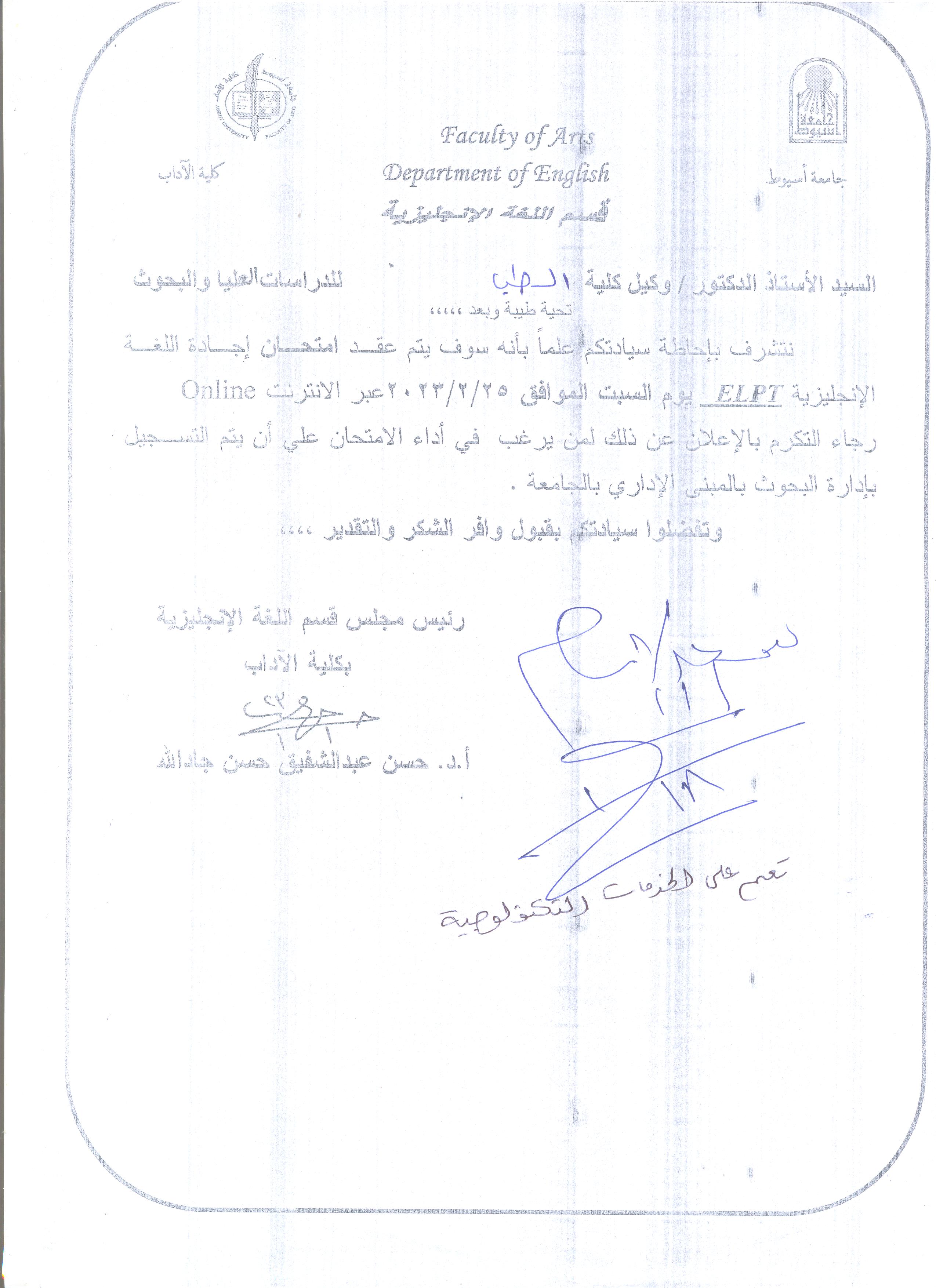
Announcement regarding holding the English language proficiency exam ELPT on Saturday 25-2-2023
Urgent excision of primary intracardiac Burkitt Lymphoma in a child
Research Abstract
A 9-year-old girl presented with a recent history of shortness of breath, fatigue, visual disturbances, and gastrointestinal symptoms. Echocardiography demonstrated three large intracardiac masses in the right and left atria protruding into the mitral and tricuspid valve orifices causing bilateral inflow obstruction. She underwent urgent surgical excision of the masses. Histology revealed rare intracardiac Burkitt's Lymphoma.
Research Date
Research Department
Research Journal
World Journal for Pediatric and Congenital Heart Surgery
Research Member
Research Year
2022