Assuit University Dental Hospital Presents Alveolar Cleft Bone Graft Mission

تحت رعاية عميد كلية طب الأسنان جامعة أسيوط

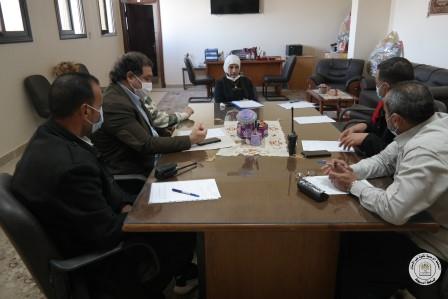
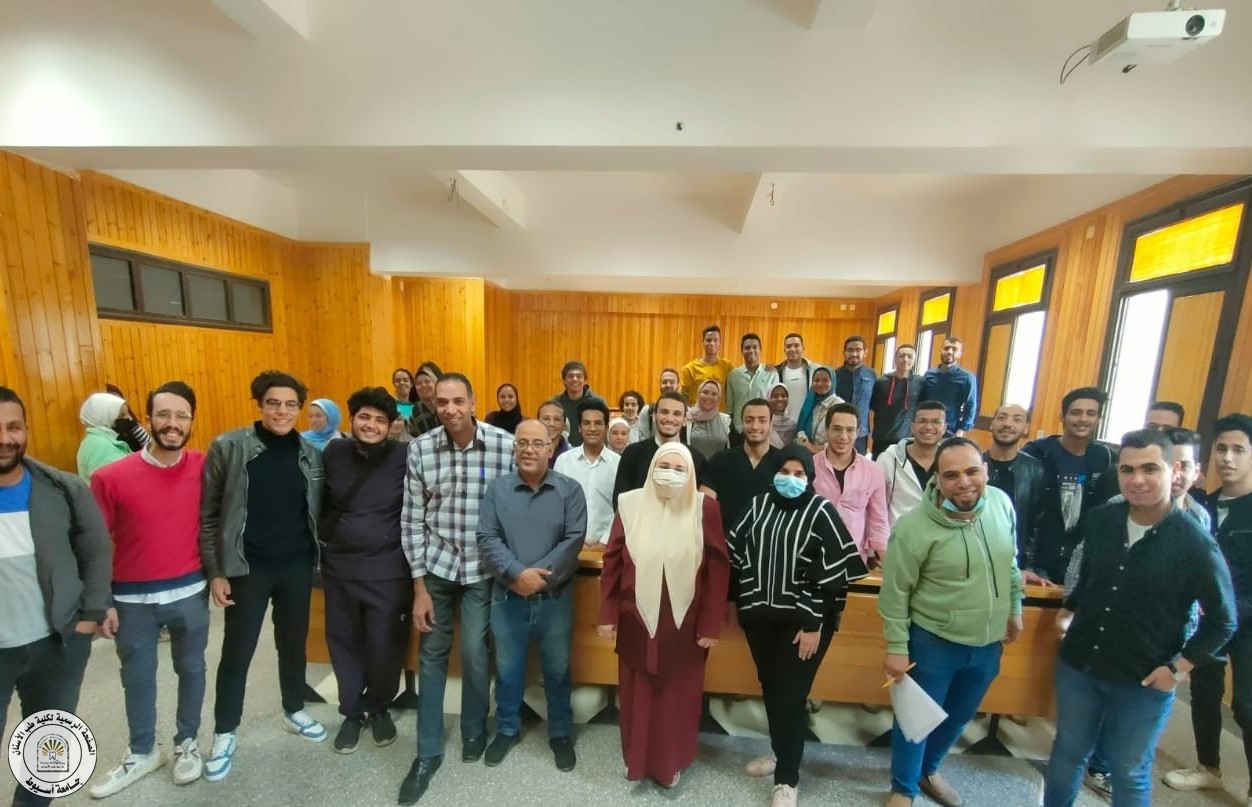
تم الإنتهاء بفضل من الله و كرمه من ال mission الخاصه بمؤسسة Operation Smile-Egypt عملية الابتسامة-مصر - بقسم جراحة الفم و الوجه و الفكين - بمستشفي طب الأسنان - جامعة أسيوط ، بإجراء جراحات غلق و ترقيع شق عظام الفك العلوي للأطفال يوم السبت الموافق ٣٠ أكتوبر

خالص الشكر و التقدير و العرفان للأستاذ الدكتور محمد الشاذلي - رئيس قسم جراحه التجميل و الحروق بكلية الطب - جامعة أسيوط و المدير الإقليمي للمؤسسه بمصر و الشرق الأوسط و جميع أعضاء فريق العمل لإختيار قسم جراحة الفم و الوجه و الفكين بمستشفي طب الأسنان - جامعه أسيوط كمقر جديد لإجراء جراحات غلق شق الفك

العلوي للأطفال ….

خالص الشكر و العرفان و التقدير لجميع النواب و هيئة التمريض و الصيانه الطبيه و عمال الخدمات و الأمن و مسئولي مكافحة العدوي و السلامه و الصحه المهنيه و ادارة التموين الطبي

يوم رائع ، ١٢ ساعه من الجهد المتواصل دون كلل أو ملل …. جزاكم الله جميعا خير الجزاء

Mission done ولله الحمد

New missions very soon ان شاء الله

Achievements & success are the best messages you can send for all those who are doing nothing but criticism

Enjoy the video by our talented student Mostafa Salah

https://youtu.be/93f4viwaqx0

#Assiut_University_Dental_Hospital

#Department_of_Oral_and_Maxillofacial_Surgery

#Operation_Smile_Egypt

#Until_we_heal

HISTOLOGICAL EVALUATION OF RESPONSE TO DIRECT PULP CAPPING WITH PROPOLIS: EXPERIMENTAL STUDY IN RABBIT.

Research Abstract

Abstract :

Herbals have been used for centuries to prevent and control disease. Herbal extracts are effective because they interact with specific chemical receptors within the body and are in a pharmacodynamic sense than drugs themselves so usage of herbal extract averte many patients from many side effects that generally come with traditional medicines. Propolis gained a popularity in the field of Dentistry because of its antimicrobial, anti-inflammatory, healing, anesthetic and cariostatic properties. The aim of the current study was to evaluate the histological response of a healthy rabbit pulp to direct pulp capping with propolis compared to calcium hydroxide. Twelve male rabbits were selected, their dental pulps were intentionally exposed by using low speed round bur on labial surfaces of permanent central incisors. Split mouth technique was used for applying the capping material to control and experimental groups. Each group was subdivided into three subgroups, four rabbits for each, where rabbits were sacrificed after 1, 2 and 4 weeks from capping time respectively. Teeth were dissected after animal scarification and prepared for histopathologic and histochemical evaluation using Hematoxylin_ Eosin (HE) and Trichrome stains. The results showed that 25%, 50% and 25% of dental pulps capped with calcium hydroxide showed mild, moderate and severe inflammatory response respectively, while in propolis group 75% and 25% showed slight to moderate inflammatory response respectively. As regard hard tissue formation in response to capping materials, in calcium hydroxide group half of the cases showed moderate deposition and other half showed marked hard tissue deposited at fourth week of follow up period. While in propolis group there was a marked deposition in 75% of cases and moderate deposition in 25% in the other. Conclusion propolis proved to have less intense inflammatory response and better quality dentin bridge formation.

Research Authors
Fouda T Gamal A. M., Khattab N. M., Tohamy S
Research Date
Research File
Research Journal
International Journal of Advanced Research
Research Pages
2325-2333
Research Publisher
International Journal of Advanced Research
Research Rank
International
Research Vol
5(2)
Research Website
https://bit.ly/3yvcmHr
Research Year
2017

Effect of activation protocol on miniscrew-assisted palatal expansion: A systematic review of current evidence

Research Abstract
Abstract
Background and Objectives: The aim of this systematic review was to review the effect of different activation protocols of miniscrew-assisted palatal expanders used in the treatment of maxillary skeletal transverse deficiency.
Material and methods: A search was conducted in MEDLINE via PubMed, Web of Science, Scopus, Cochrane Library till May 2020. The gray literature was also explored via google scholar and Open Gray. Selection criteria included randomized and prospective clinical trials comparing the outcomes of different activation protocols of miniscrew-assisted palatal expansion. Eligibility criteria were applied, and the authors planned to extract relevant data, and assess the risk of bias using the RoB 2 tool for randomized controlled trials and ROBINS-I tool for non-randomized studies, followed by the assessment of the quality of evidence.
Results: As no studies met the inclusion criteria for this review, we discussed the results of prospective clinical trials studying the clinical outcomes of using miniscrew-assisted palatal expansion.
Conclusion: To date, there are no high-quality clinical trials comparing the clinical outcomes of different activation protocols of miniscrew-assisted palatal expansion. There is no clear agreement in the literature on the most efficient activation protocol used with the miniscrew-assisted palatal expanders.
Research Authors
Mohamed G. Hassan*,**, Yomna M. Yacout**, Nadia El-Harouni**, Hanan A. Ismail**, Essam Abdallah** and Abbas R. Zaher**
Research Date
Research Department
Research File
Research Journal
Egyptian Dental Journal
Research Member
Research Pages
987-1000
Research Publisher
Egyptian Dental Association
Research Rank
Local
Research Vol
67
Research Website
https://edj.journals.ekb.eg/article_157219.html
Research Year
2021

Tooth-Bone-Borne Vs. Bone-Borne Palatal Expanders: A Systematic Review

Research Abstract

The aim of this review was to evaluate the current evidence regarding post-treatment effects of tooth-bone-borne vs. bone-borne expanders. A search was conducted in MEDLINE via PubMed, Web of Science, Scopus, Cochrane Library, Google Scholar, and Open Gray; in addition to a hand search in reference lists of selected articles and creating a search alert in electronic databases. Selection criteria included randomized and prospective clinical trials comparing post-expansion skeletal and/or dento-alveolar effects of tooth-bone-borne expanders to those of bone-borne expanders. Following study retrieval and selection, relevant data was extracted, and risk of bias was assessed using the revised RoB 2 tool for randomized clinical trials. After examining 10 full text articles, one randomized clinical trial was finally included. The study compared the dento-alveolar effects of tooth-bone-borne and bone-borne expanders, following expansion and after 6 months, using digital dental casts. Using the RoB 2 tool, the study was judged overall to show some concerns. A definitive conclusion could not be drawn from this systematic review due to the scarcity of clinical trials tackling the research question. A need for future well-conducted research was highlighted in this review.

Research Authors
Yomna M. Yacout 1 , Mohamed G. Hassan2,3 *, Nadia M. El-Harouni 1 , Hanan A. Ismail 1 and Abbas R. Zaher 1
Research Date
Research Department
Research File
fdmed-02-644002.pdf (758.03 KB)
Research Journal
Frontiers in Dental Medicine
Research Member
Research Publisher
Frontiers
Research Rank
International
Research Vol
2
Research Website
https://www.frontiersin.org/articles/10.3389/fdmed.2021.644002/full
Research Year
2021

Evaluation of the success rate of Revascularization technique using Leukocyte-platelet-rich fibrin (L-PRF) concentrate compared to blood clot as a Scaffold. (Clinical and Experimental Study)

Research Abstract
Immature permanent teeth with apical pathosis and pulp necrosis represents a therapeutic challenge. Necrotic pulps occur in instances of untreated carious lesions or trauma to the anterior teeth. The latter situations represent challenge in root canal debridement and filling and due to thin dentinal walls leading to increased risk of fracture (Cvek.,1992). Insufficient data exists concerning the use of PRF as a scaffold in regenerative endodontic. Knowledge about the nature of regenerated cells remains unclear. Therefore, we conducted this study to compare between 2 different scaffolds; blood clot and Leukocyte-platelet-rich fibrin (L-PRF) concentrates. In addition, we performed histological evaluation in dogs in terms of presence of absences or inflammation, presence or absence of vital pulp tissue, presence or absence of new hard tissue and however the new cells are reparative or regenerated cells.
Research Authors
Ahmed Kamel Abd El Nasser
Prof.Dr.Nagwa Mohamed Ali Khattab
Prof. Dr Ehab Saeed Abd Elhamid
Research Journal
Egypion dental journal
Research Member
Research Pages
105
Research Publisher
Ahmed kamel
Research Rank
2
Research Vol
January
Research Website
Egption dental journal .com
Research Year
2019

How orthodontic research can be enriched and advanced by the novel and promising evolutions in biomedicine

Research Abstract

Abstract

Recent advances in developmental, molecular and cellular biology as well as biomedical technologies show a promising future for crossing the gap between biomedical basic sciences and clinical orthodontics. Orthodontic research shall utilise the advances and technologies in biomedical fields including genomics, molecular biology, bioinformatics and developmental biology. This review provides an update on the novel and promising evolutions in biomedicine and highlights their current and likely future implementation to orthodontic practice. Biotechnological opportunities in orthodontics and dentofacial orthopaedics are presented with regards to CRISPR technology, multi-omics sequencing, gene therapy, stem cells and regenerative medicine. Future orthodontic advances in terms of translational research are also discussed. Given the breadth of applications and the great number of questions that the presently available novel biomedical tools and techniques raise, their use may provide orthodontic research in the future with a great potential in understanding the aetiology of dentofacial deformities and malocclusions as well as in improving the practice of this clinical specialty.

Research Authors
Hassan MG, Zaher AR, Athansiou AE
Research Date
Research Department
Research Journal
Journal of Orthodontics
Research Member
Research Pages
288-294
Research Publisher
Sage Journal
Research Vol
48
Research Website
https://journals.sagepub.com/doi/10.1177/14653125211006116
Research Year
2021
Subscribe to